Channels
Articles on imageboard websites and chan-style communities — the full sites and their histories. Covers major imageboards (4chan, 8chan, 2channel) and smaller chans across the imageboard ecosystem.
4chan
English-language imageboard founded in 2003, modeled on Japan's Futaba Channel. One of the most influential sites in internet culture.
Ylilauta: Finland's Controversial Anonymous Imageboard
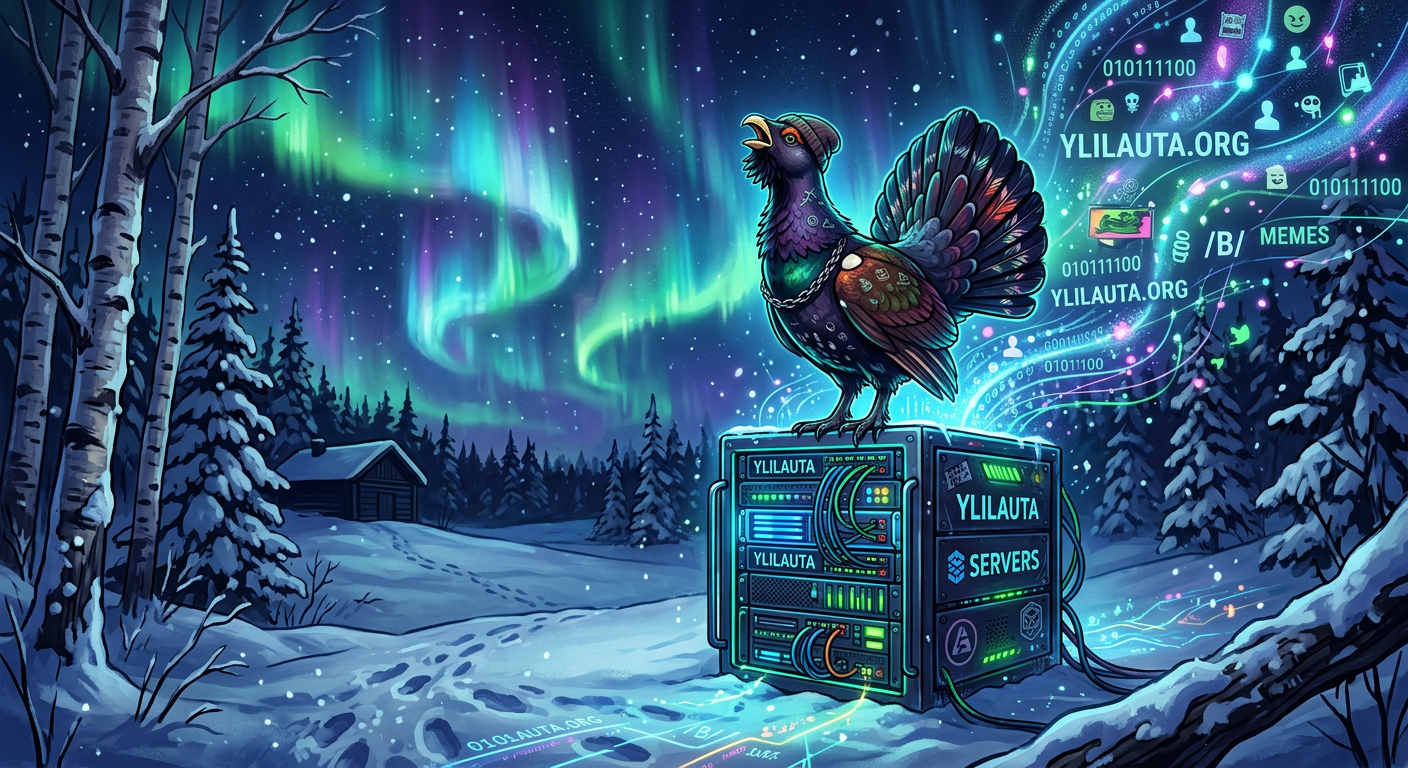
Ylilauta is Finland's largest and most popular anonymous imageboard, known for its free-wheeling discussions, controversies, and significant impact on Finnish internet culture.
Endchan: A Haven for Free Speech and User Privacy
Discover Endchan, a user-privacy focused imageboard known for its robust free speech policy and open-source software. Explore its history, unique features, and community culture.
Dvach (2ch.hk): The Controversial Heart of RuNet's Chan Culture
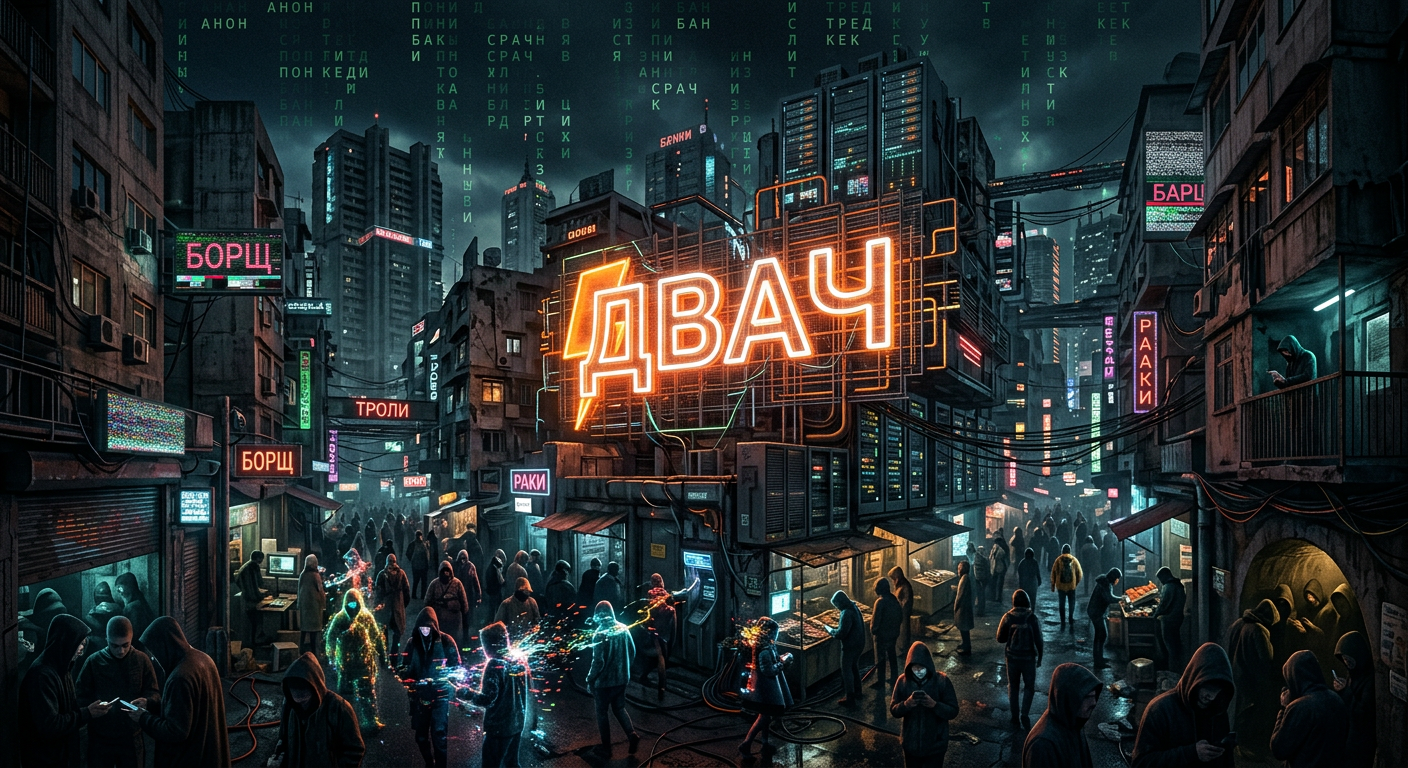
Explore Dvach (2ch.hk), the largest and most influential Russian-language imageboard. Discover its history, key boards, and controversial cultural impact.
Lolnada: Brazilian Imageboard for Memes, Discussions, and Culture
Explore Lolnada, the prominent Brazilian imageboard known for its vibrant community, diverse discussions, and contributions to Lusophone internet culture.
Soyjak.party: The Sharty Imageboard and Its History
Soyjak.party, known as the Sharty, is a major English imageboard born from the 4chan /qa/ exodus. Its history, domains, boards and controversies.
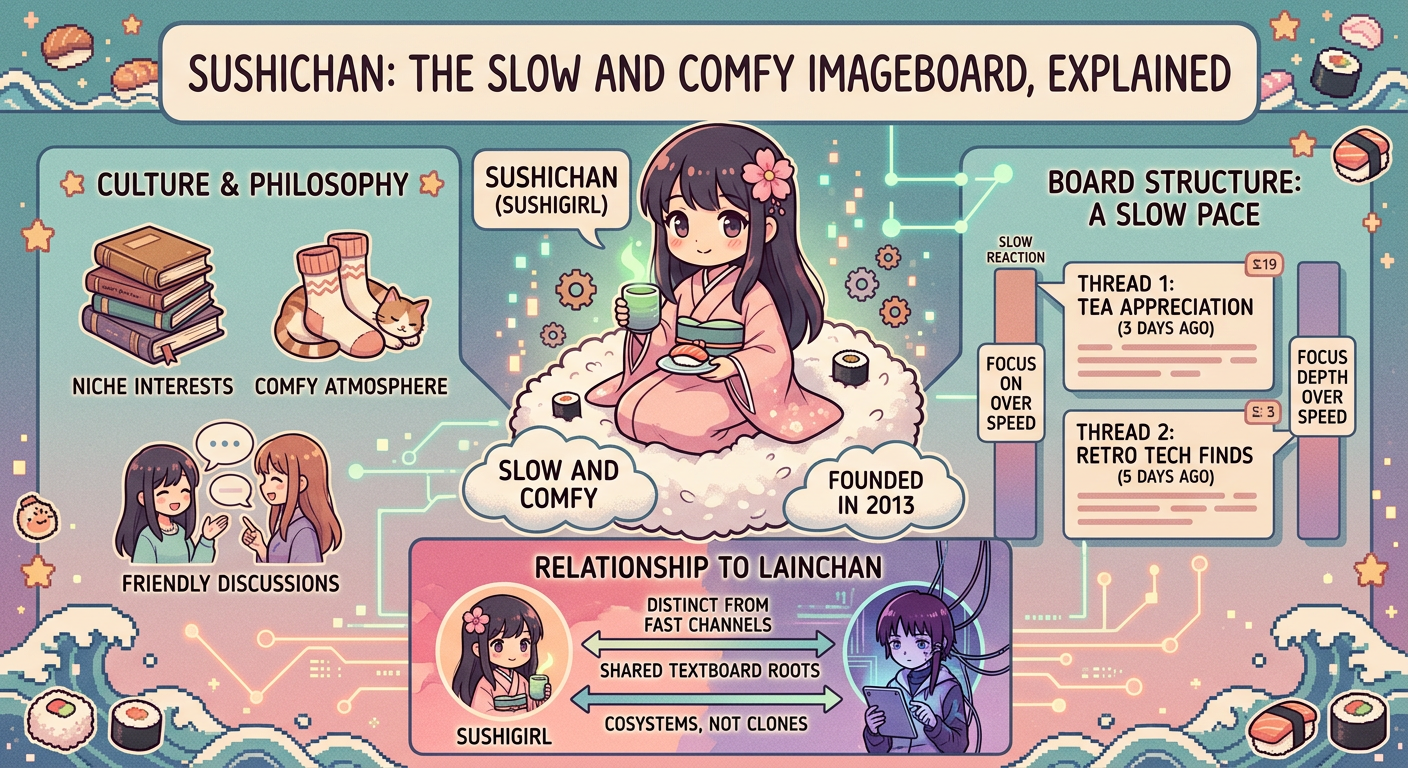
Sushichan: The Slow and Comfy Imageboard, Explained
Sushichan, also known as Sushigirl, is a slow comfy imageboard founded in 2013. Its culture, board structure and relationship to Lainchan explained.
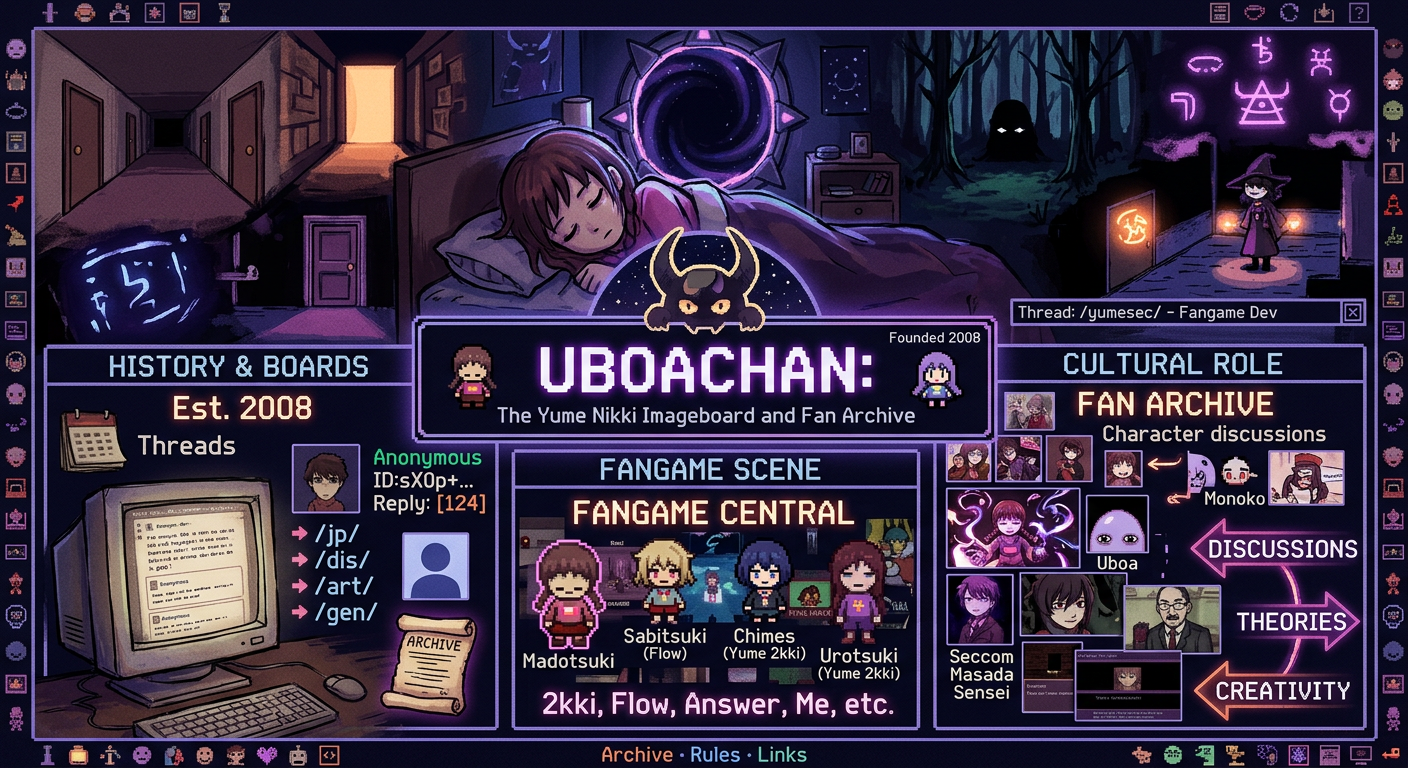
Uboachan: The Yume Nikki Imageboard and Fan Archive
Uboachan is an imageboard and fansite for the cult PC game Yume Nikki, founded in 2008. Its history, boards, fangame scene and cultural role.
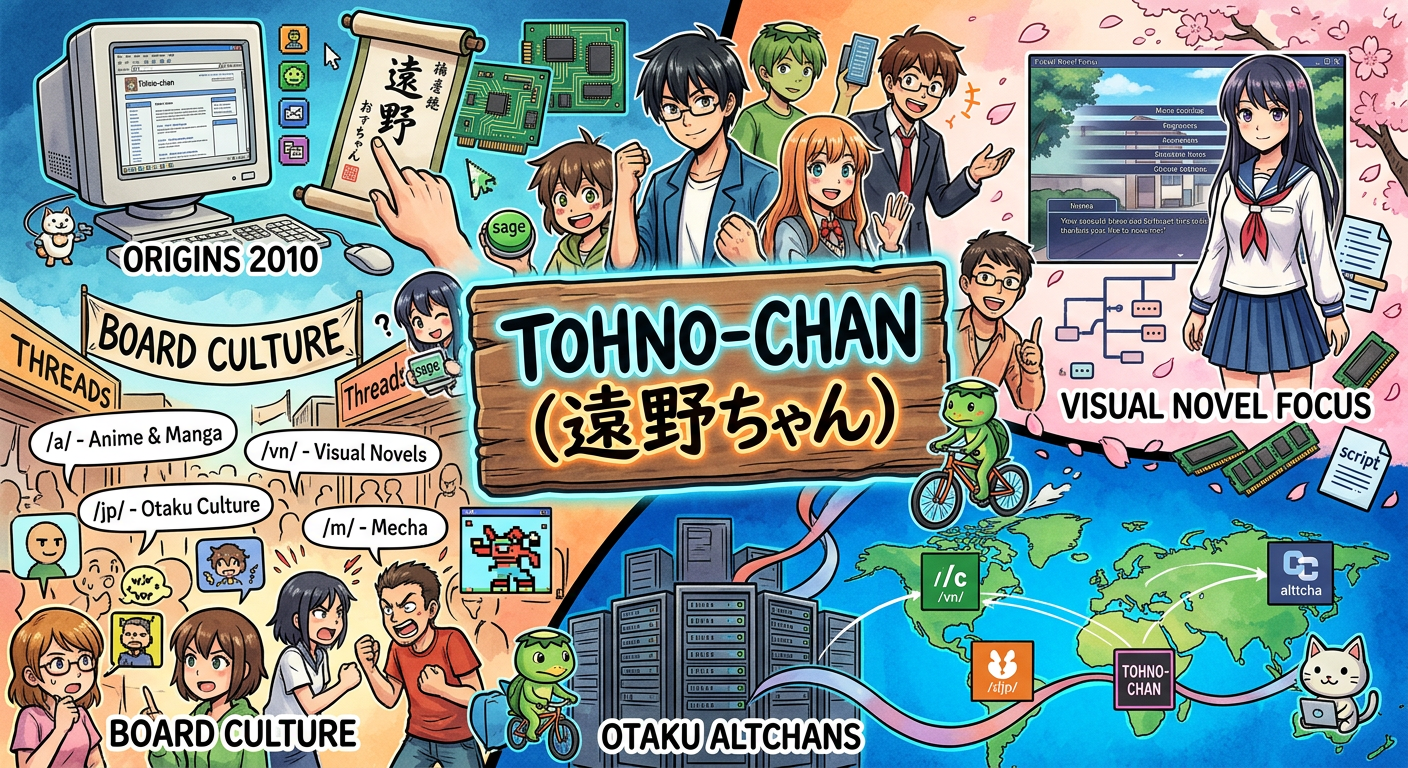
Tohno-chan: The Anime and Manga Imageboard Explained
Tohno-chan is an English anime and manga imageboard founded in 2010. Its origins, board culture, visual novel focus and place among otaku altchans.
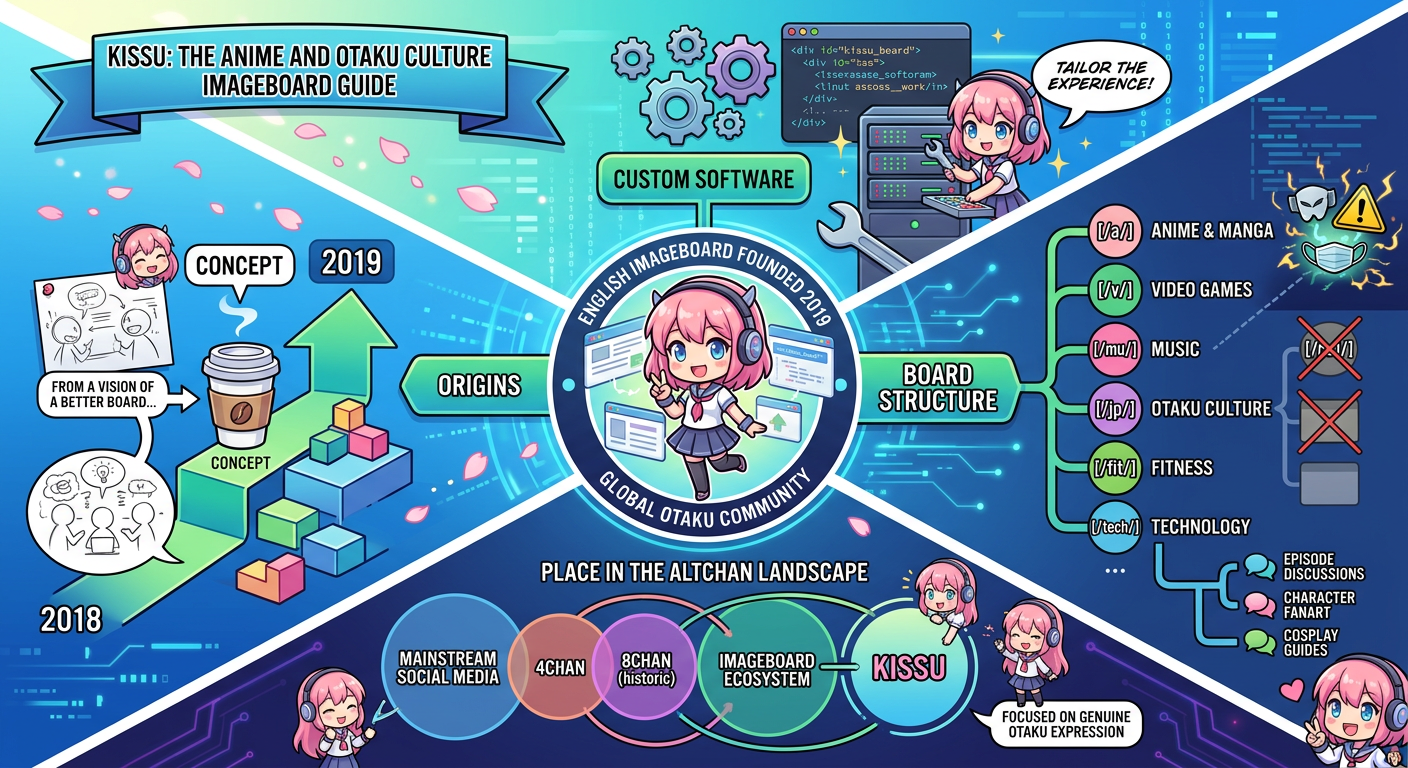
Kissu: The Anime and Otaku Culture Imageboard Guide
Kissu is an English anime and otaku imageboard founded in 2019. Its origins, custom software, board structure and place in the altchan landscape.
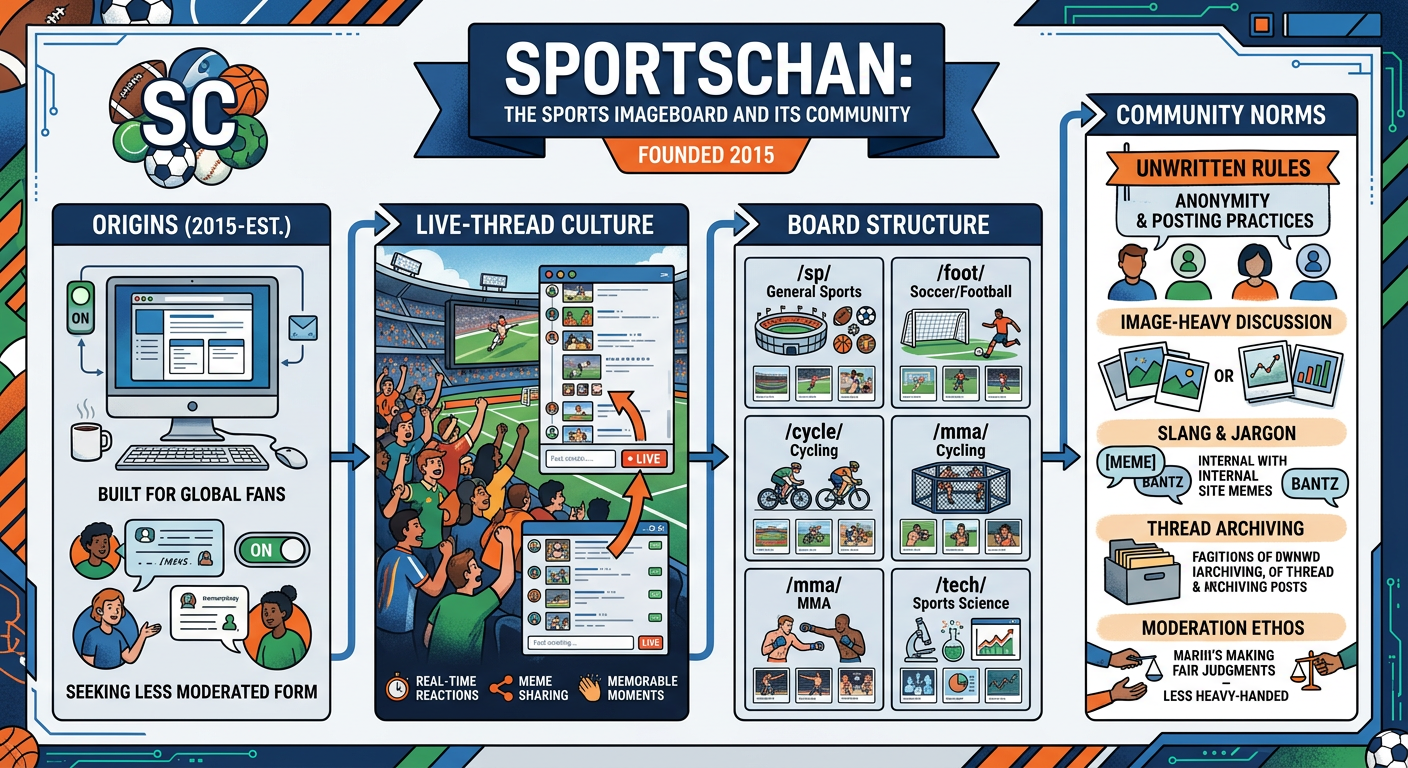
Sportschan: The Sports Imageboard and Its Community
Sportschan is an English imageboard for sports discussion founded in 2015. Its origins, live-thread culture, board structure and community norms.
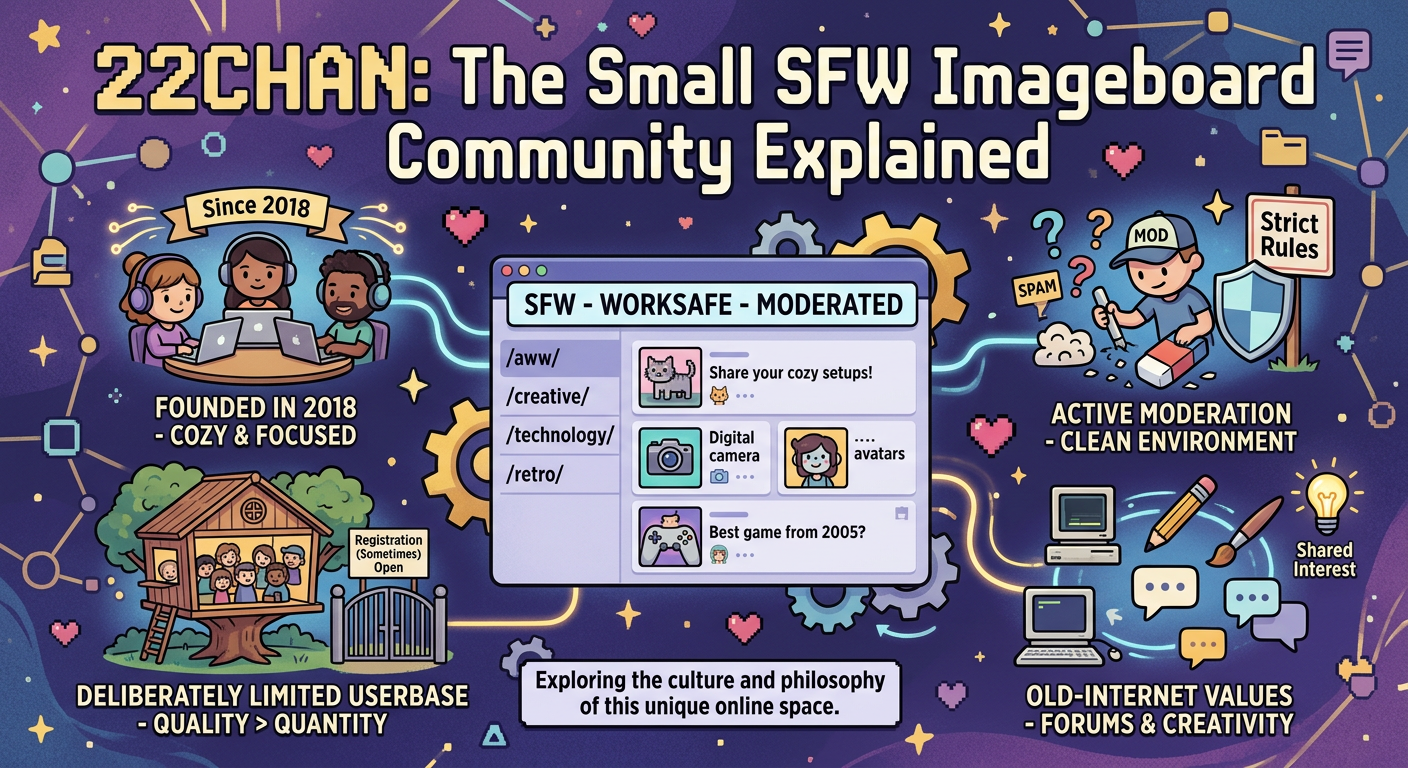
22chan: The Small SFW Imageboard Community Explained
22chan is a small worksafe English imageboard founded in 2018, built around old-internet values, active moderation and a deliberately limited userbase.
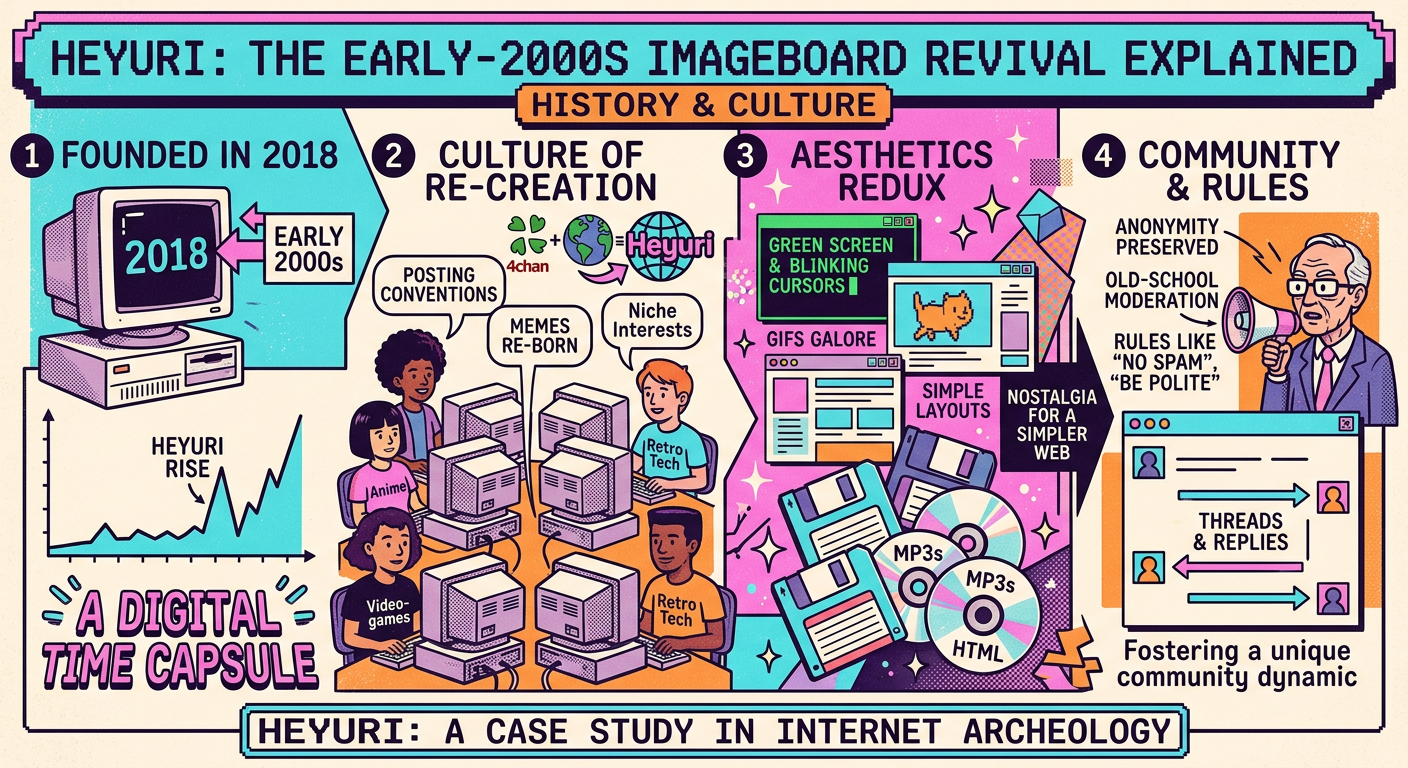
Heyuri: The Early-2000s Imageboard Revival Explained
Heyuri is an imageboard founded in 2018 that deliberately recreates early-2000s internet culture, aesthetics and posting conventions. History and culture.
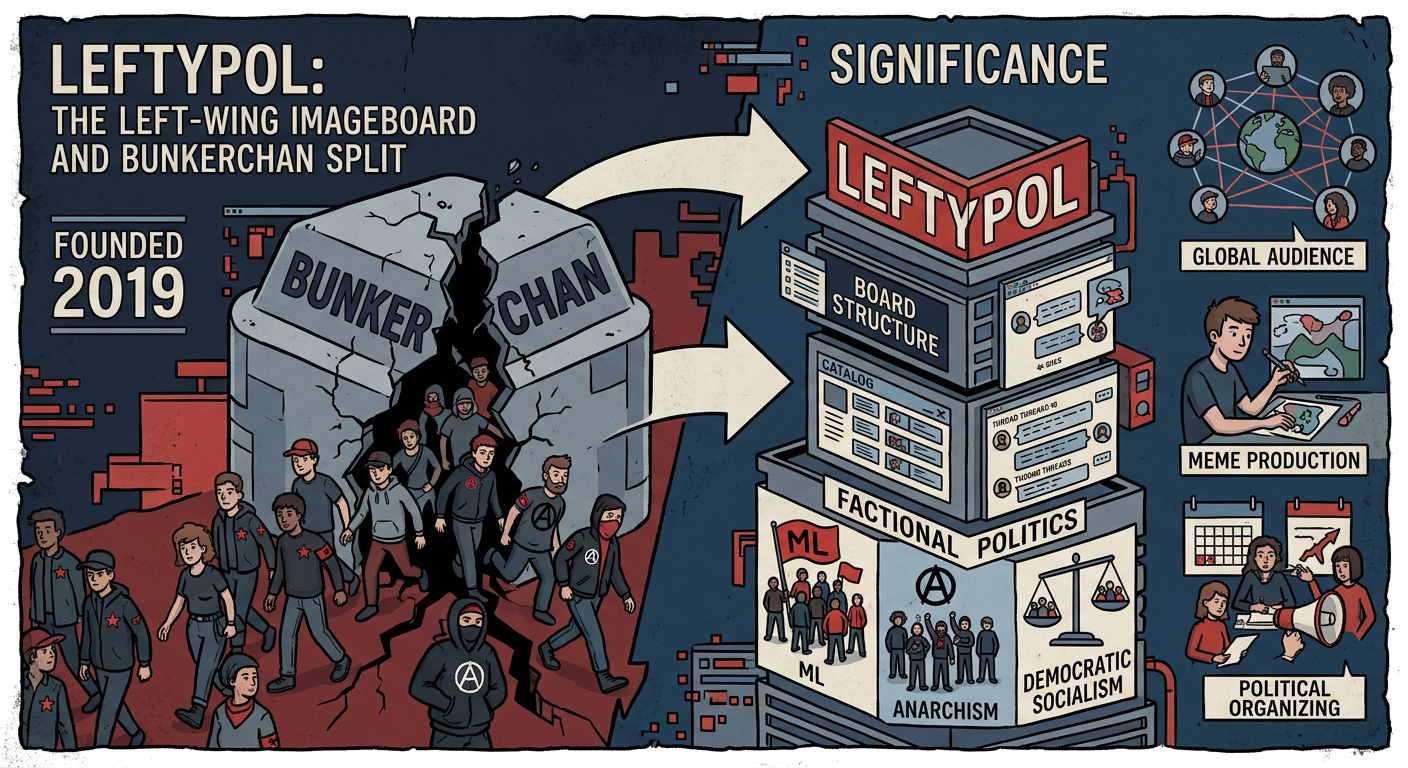
Leftypol: The Left-Wing Imageboard and Bunkerchan Split
Leftypol is a left-wing political imageboard founded in 2019 after the Bunkerchan split. Its history, board structure, factional politics and significance.
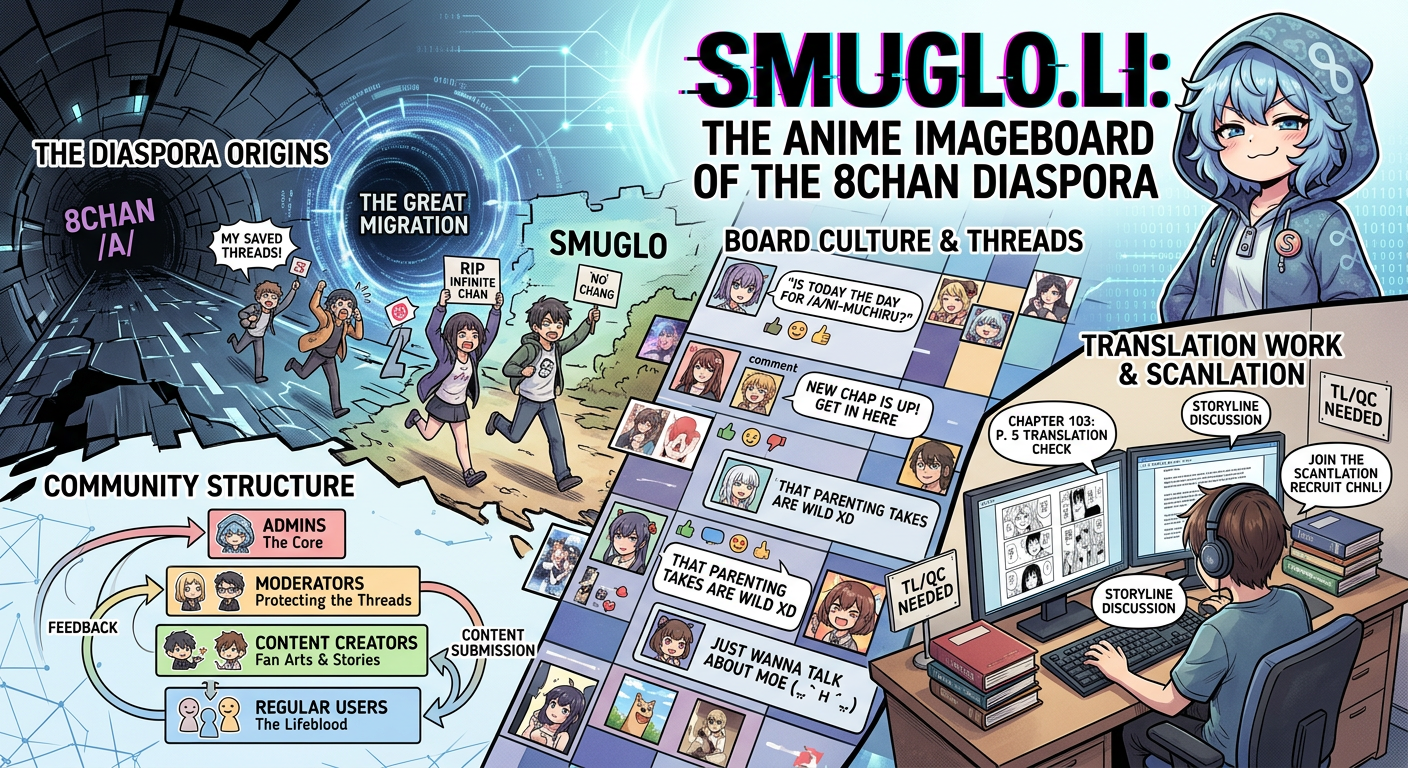
Smuglo.li: The Anime Imageboard of the 8chan Diaspora
Smuglo.li is an anime imageboard that emerged from the 8chan diaspora. Its origins on /a/, board culture, translation work and community structure.
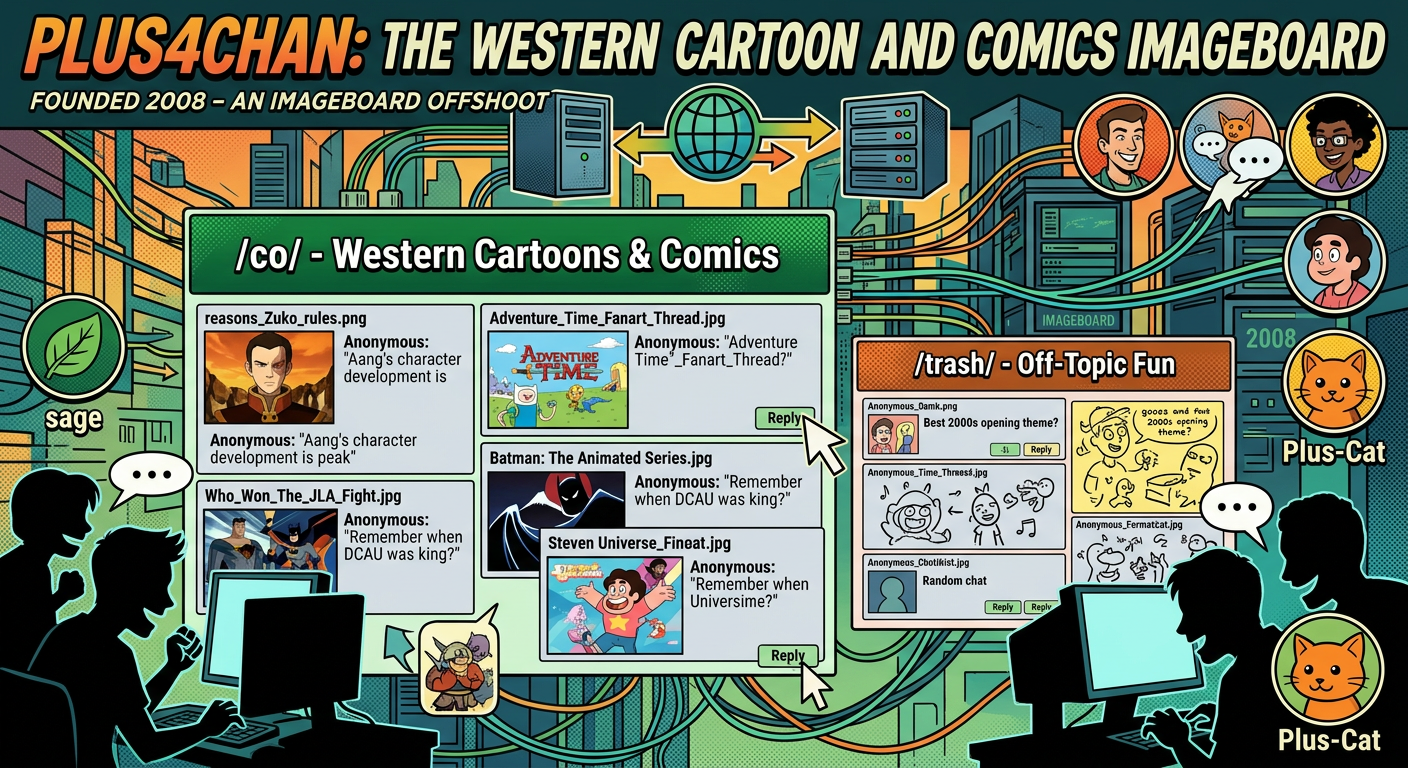
Plus4chan: The Western Cartoon and Comics Imageboard
Plus4chan is an imageboard for Western cartoons and comics founded in 2008 as a 4chan offshoot. Its origins, boards, community and long-running culture.
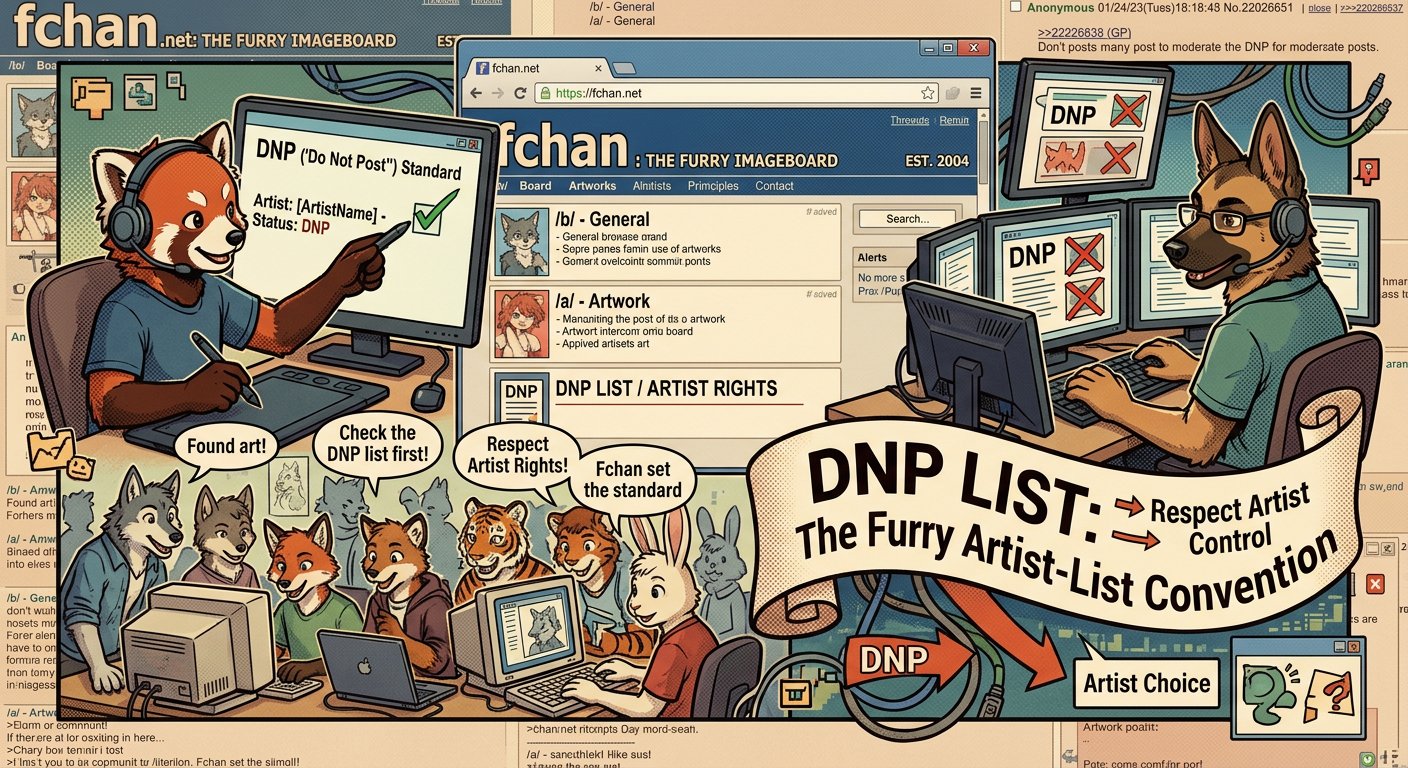
Fchan: The Furry Imageboard That Set the DNP Standard
Fchan was the defining furry imageboard, founded in 2004. It originated the DNP artist-list convention and shaped furry art hosting norms for decades.
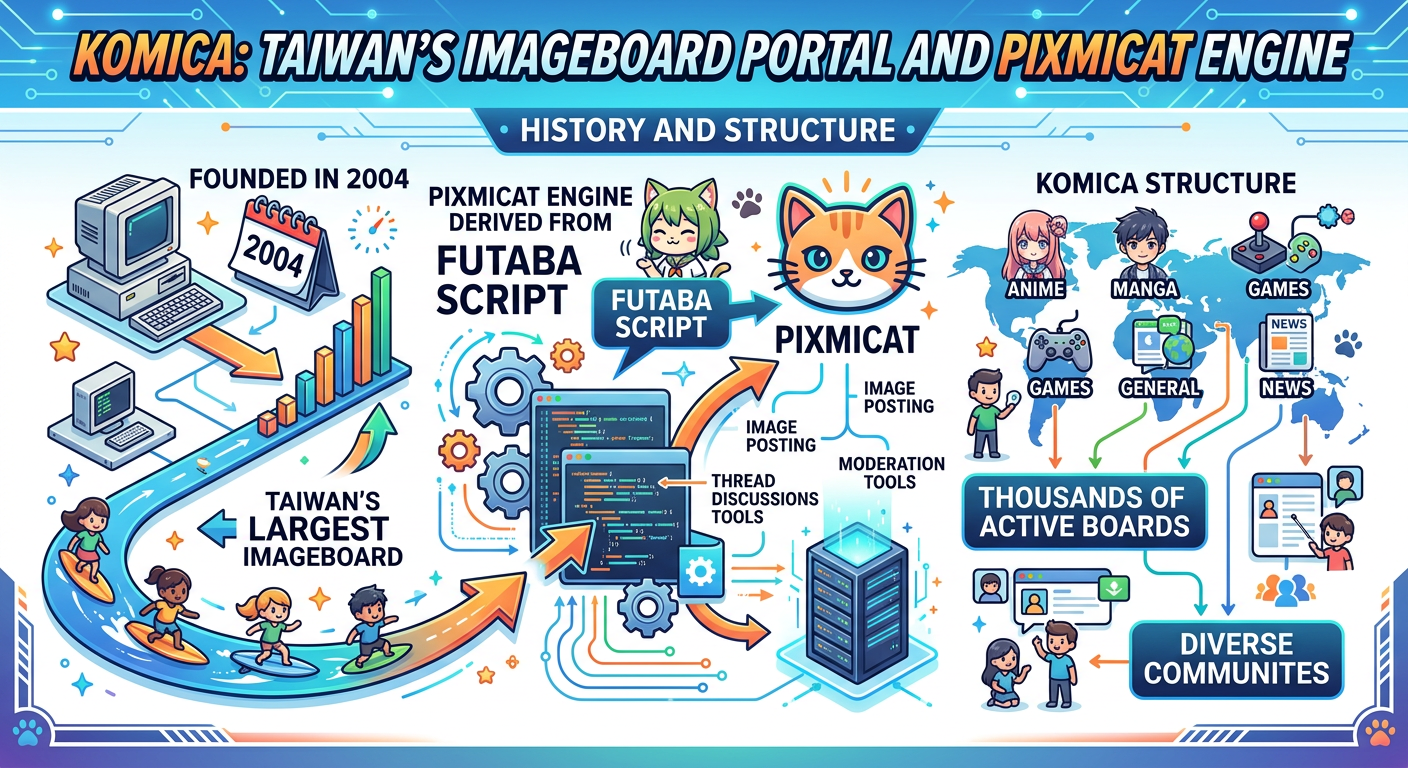
Komica: Taiwan's Imageboard Portal and Pixmicat Engine
Komica is Taiwan's largest imageboard portal, founded in 2004 and running the Pixmicat engine derived from the original Futaba script. History and structure.
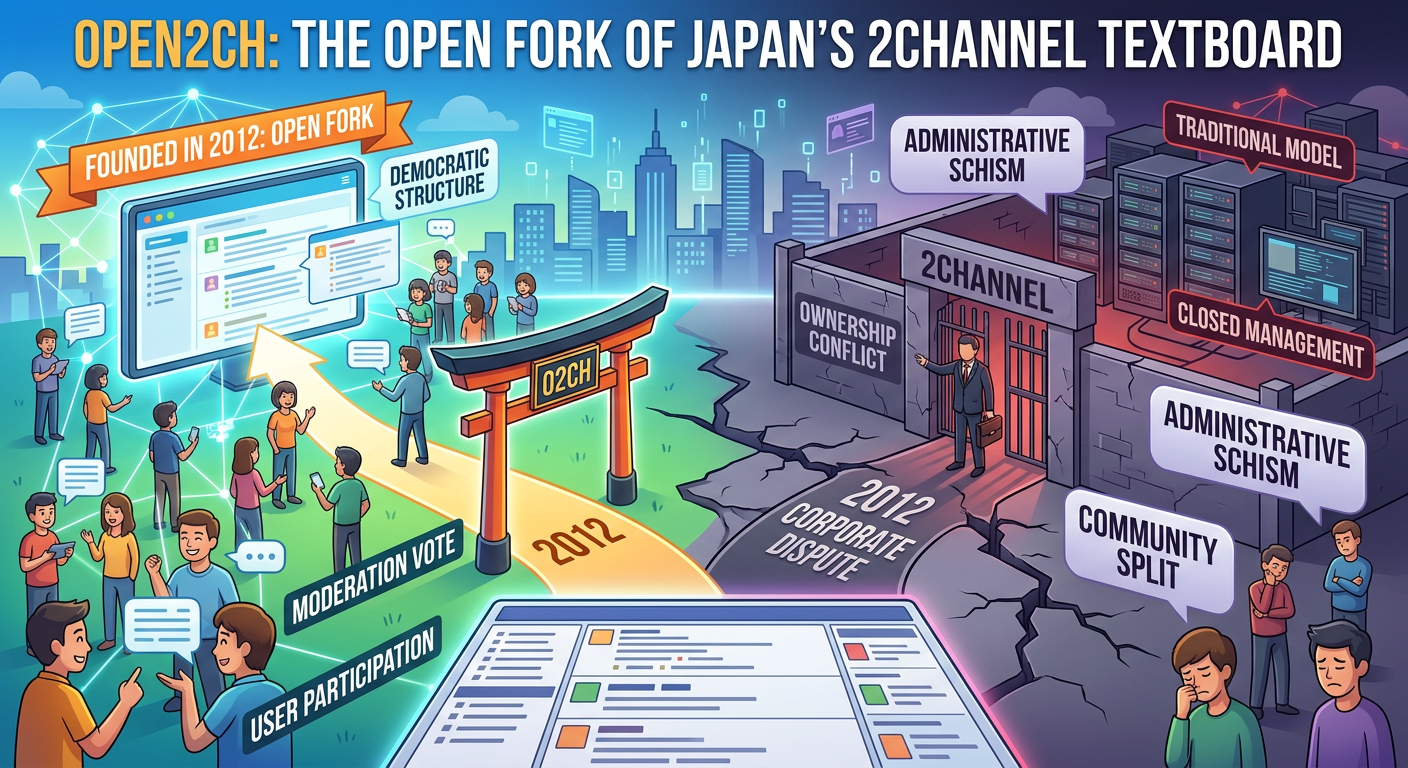
Open2ch: The Open Fork of Japan's 2channel Textboard
Open2ch is a Japanese textboard founded in 2012 as an open fork of 2channel. Its origins in the 2channel ownership dispute, structure and culture.
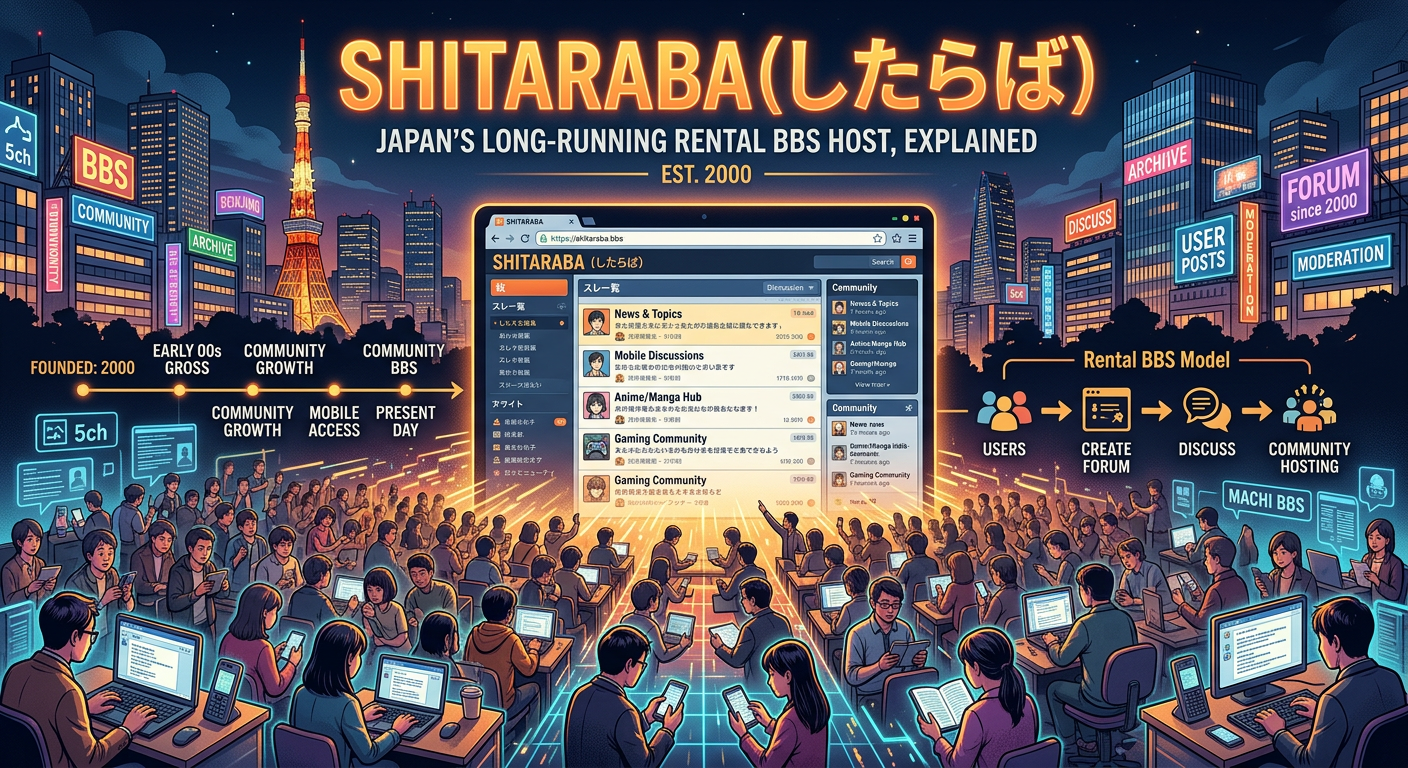
Shitaraba: Japan's Long-Running Rental BBS Host, Explained
Shitaraba is a Japanese rental BBS host founded in 2000, one of the big three alongside 5ch and Machi BBS. Its model, history and community role.
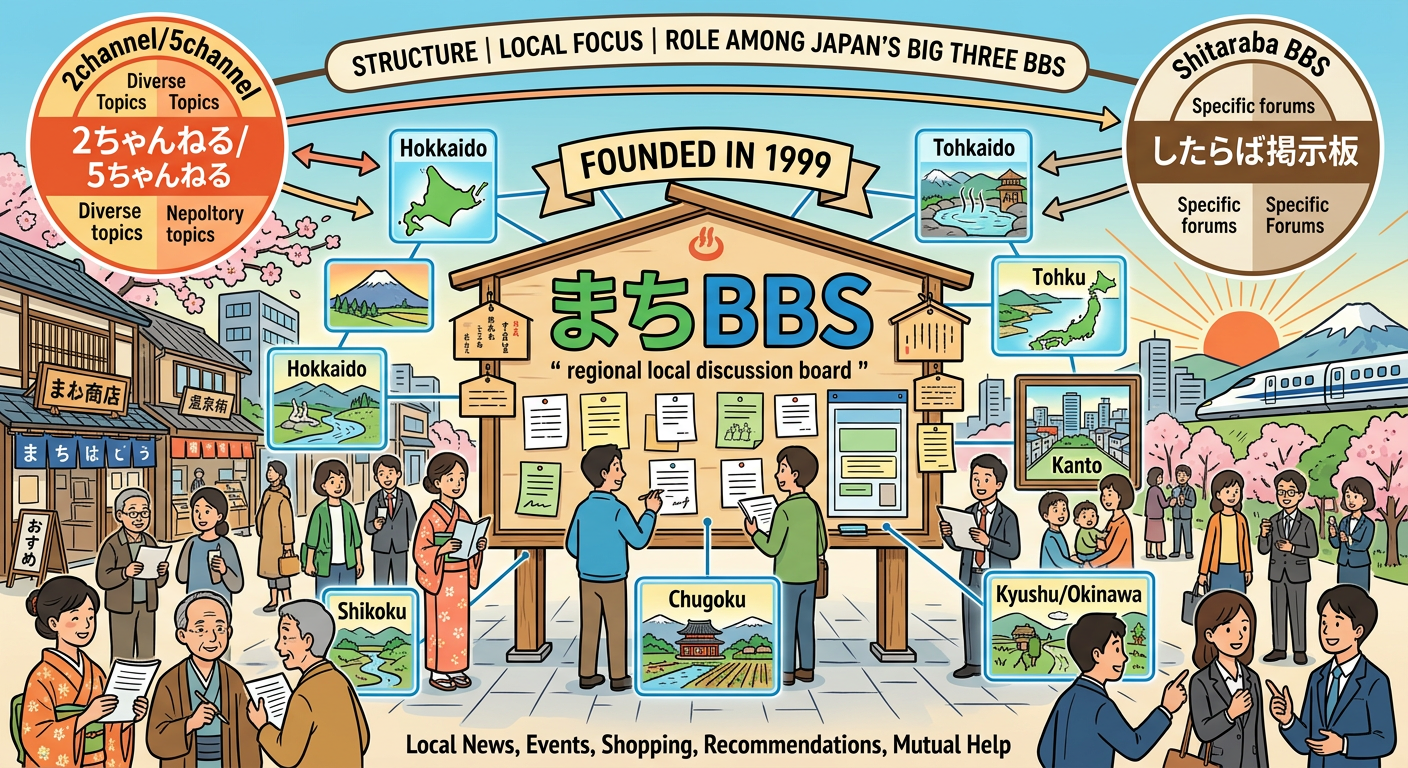
Machi BBS: Japan's Regional Local Discussion Board
Machi BBS is a Japanese regional bulletin board founded in 1999, organised geographically. Its structure, local focus and role among Japan's big three BBS.
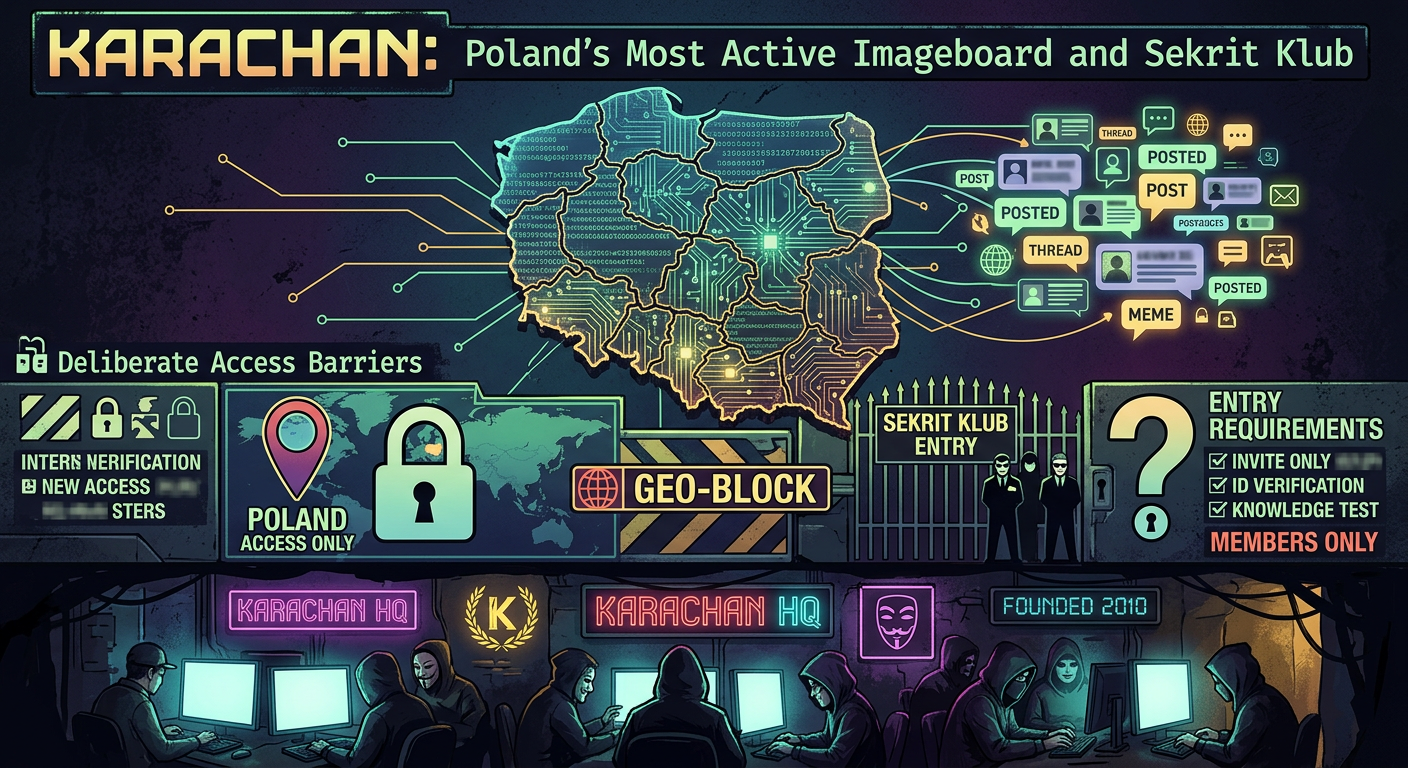
Karachan: Poland's Most Active Imageboard and Sekrit Klub
Karachan is Poland's most active imageboard, founded in 2010. Known for deliberate access barriers, geo-blocking and its sekrit klub entry requirements.
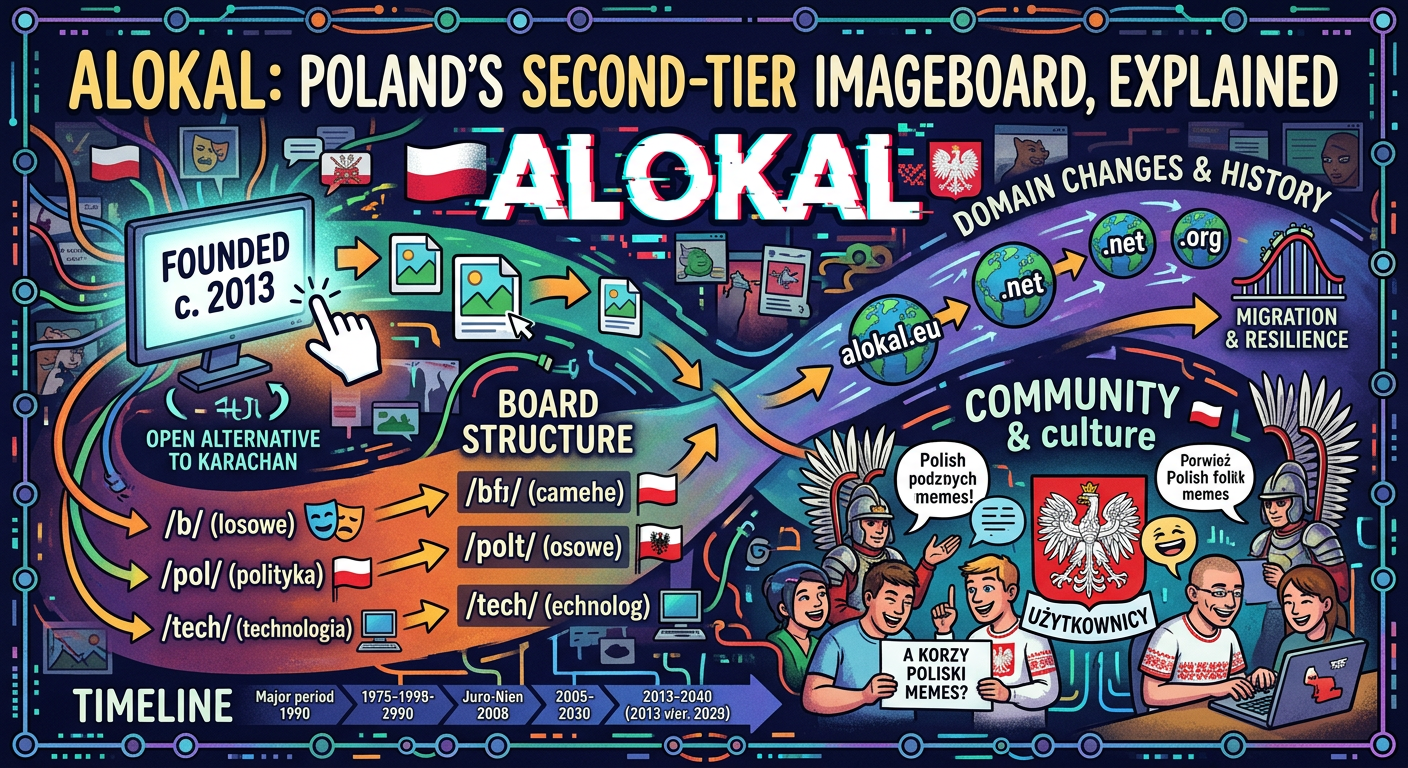
Alokal: Poland's Second-Tier Imageboard, Explained
Alokal is a Polish imageboard founded around 2013, the main open alternative to Karachan. Its history, board structure, domain changes and community.
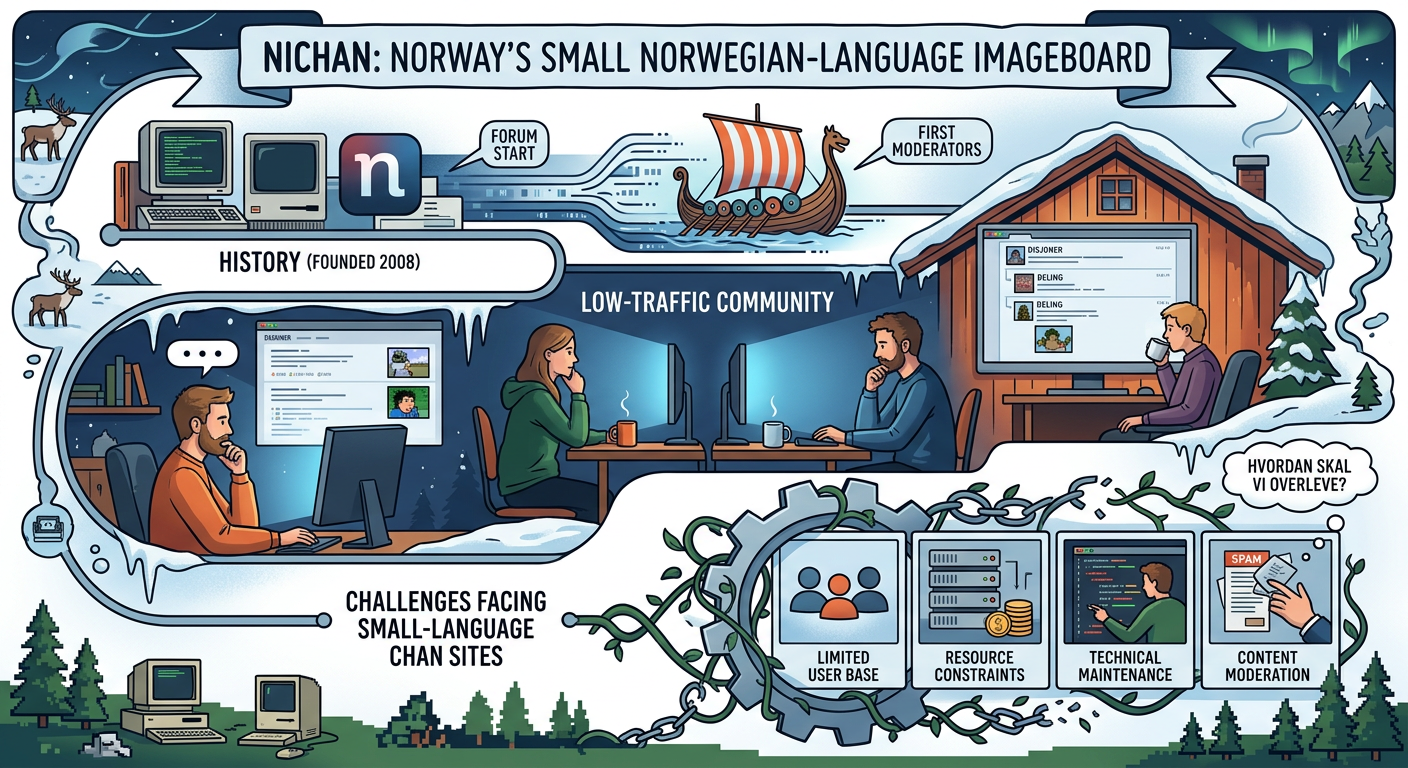
Nichan: Norway's Small Norwegian-Language Imageboard
Nichan is a Norwegian-language imageboard founded around 2008. Its history, low-traffic community and the challenges facing small-language chan sites.
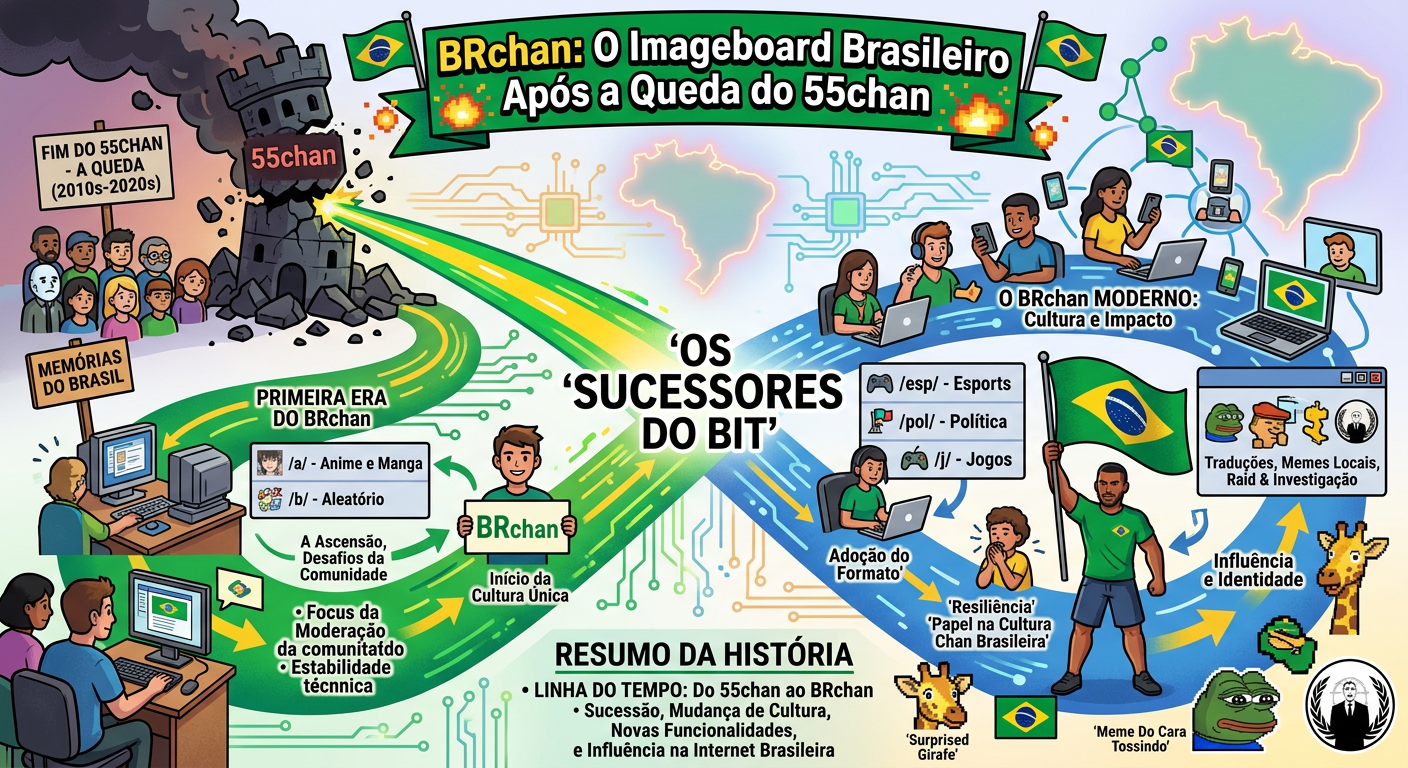
BRchan: The Brazilian Imageboard After 55chan's Fall
BRchan is a Brazilian Portuguese imageboard and the successor to 55chan. Its two iterations, community history and role in Brazilian chan culture.
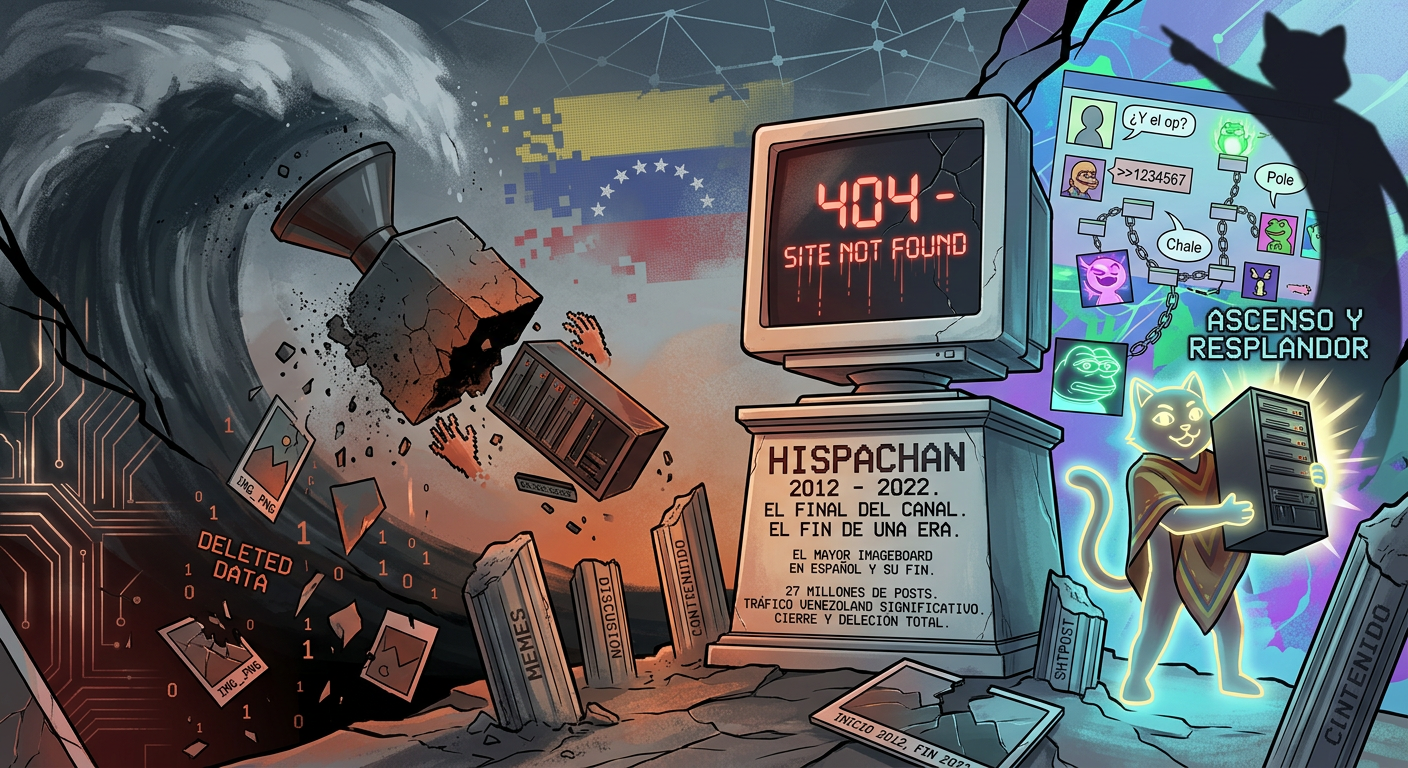
Hispachan: The Largest Spanish Imageboard and Its End
Hispachan was the largest Spanish-language imageboard, with 27 million posts and heavy Venezuelan traffic, until its 2022 closure and total data deletion.
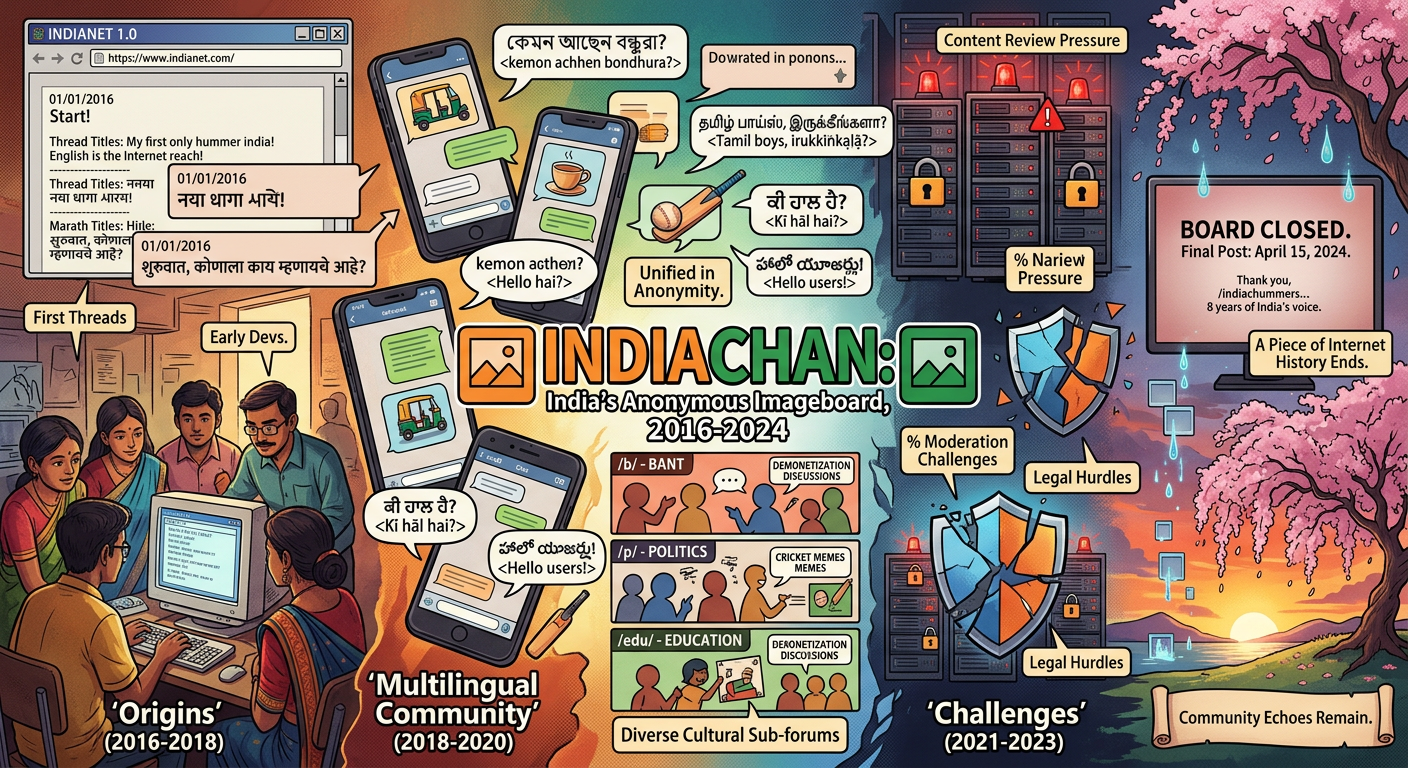
Indiachan: India's Anonymous Imageboard, 2016 to 2024
Indiachan was India's main anonymous imageboard, running from 2016 to 2024. Its origins, multilingual culture, community and eventual shutdown.
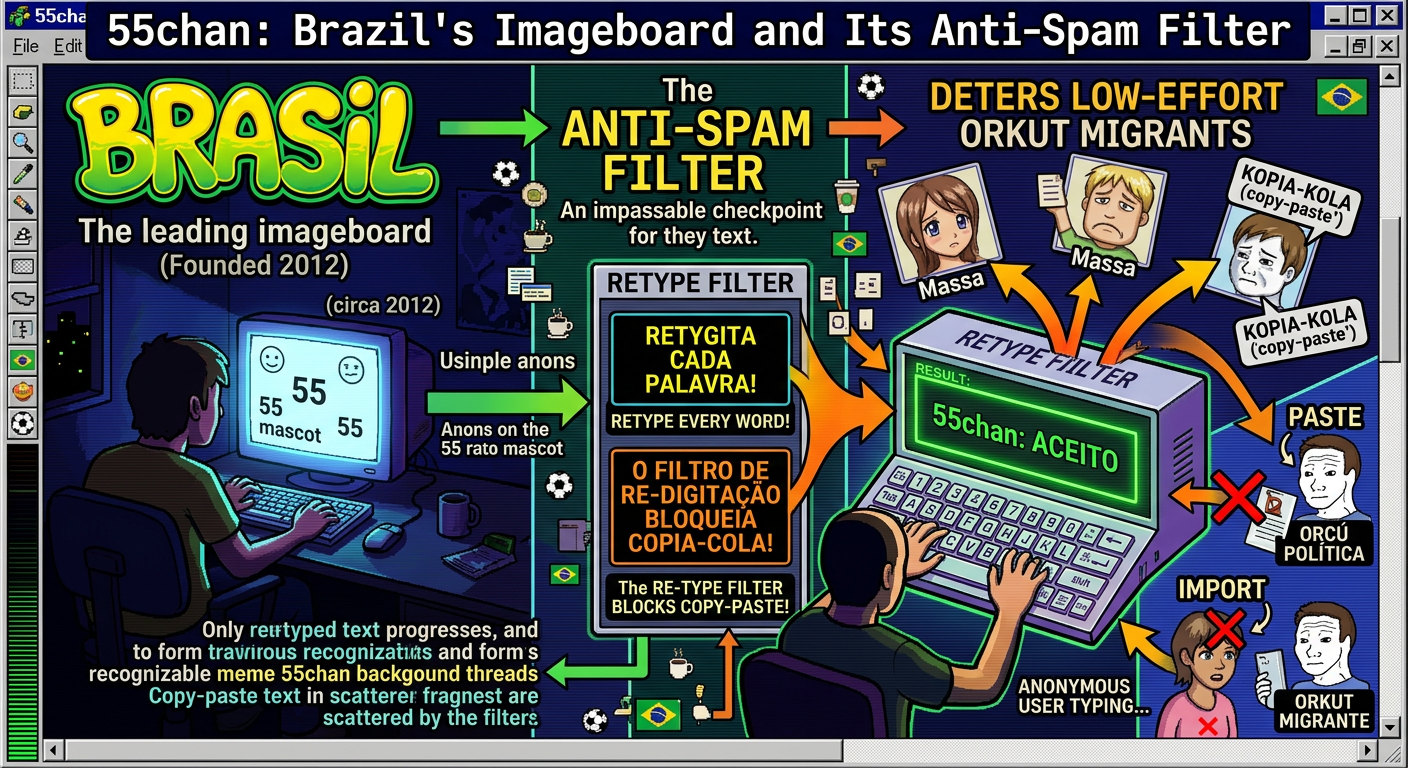
55chan: Brazil's Imageboard and Its Anti-Spam Filter
55chan was Brazil's leading imageboard, founded in 2012 and known for a retype filter that blocked copy-paste to deter low-effort Orkut migrants.
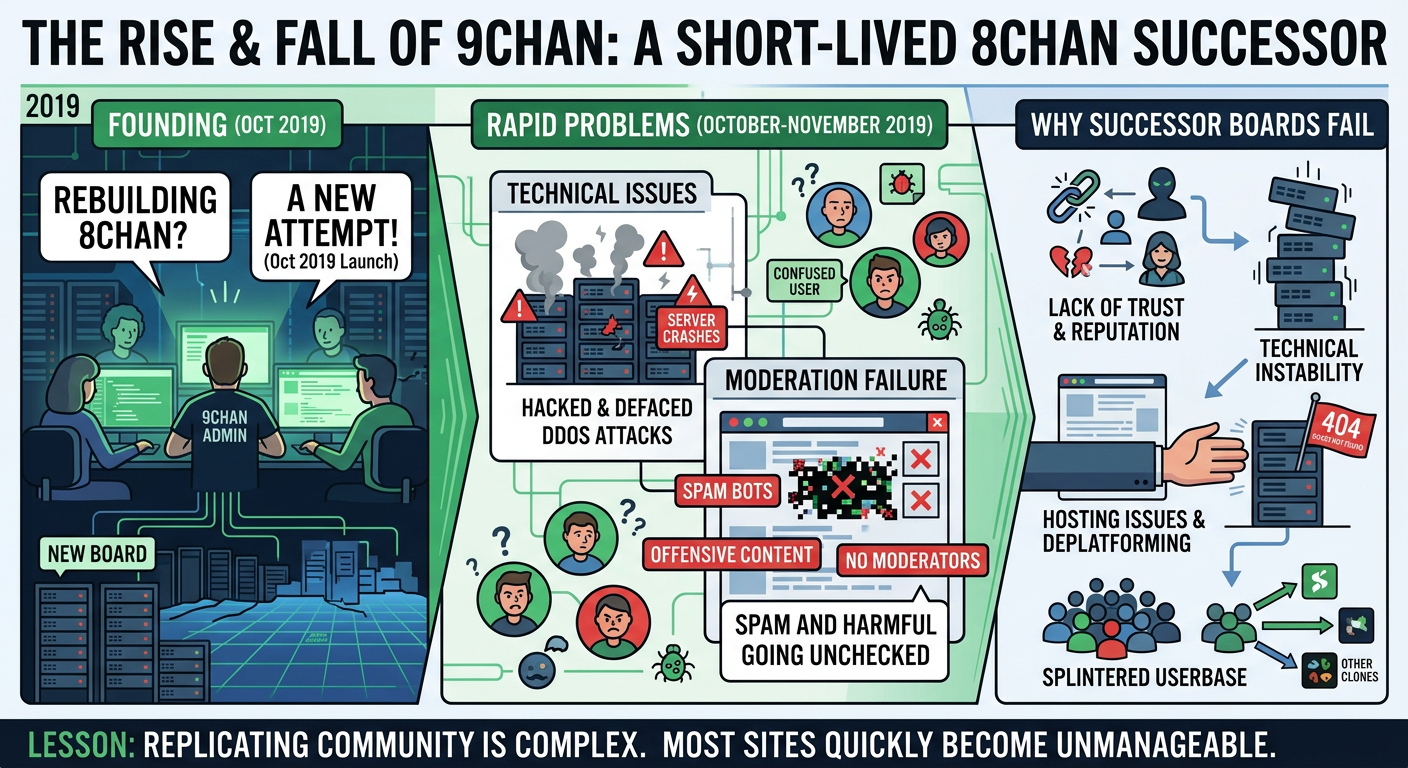
9chan: The Short-Lived 8chan Successor Board Attempt
9chan was a short-lived imageboard launched in 2019 as an 8chan successor. Its founding, rapid problems, and why successor boards usually fail.
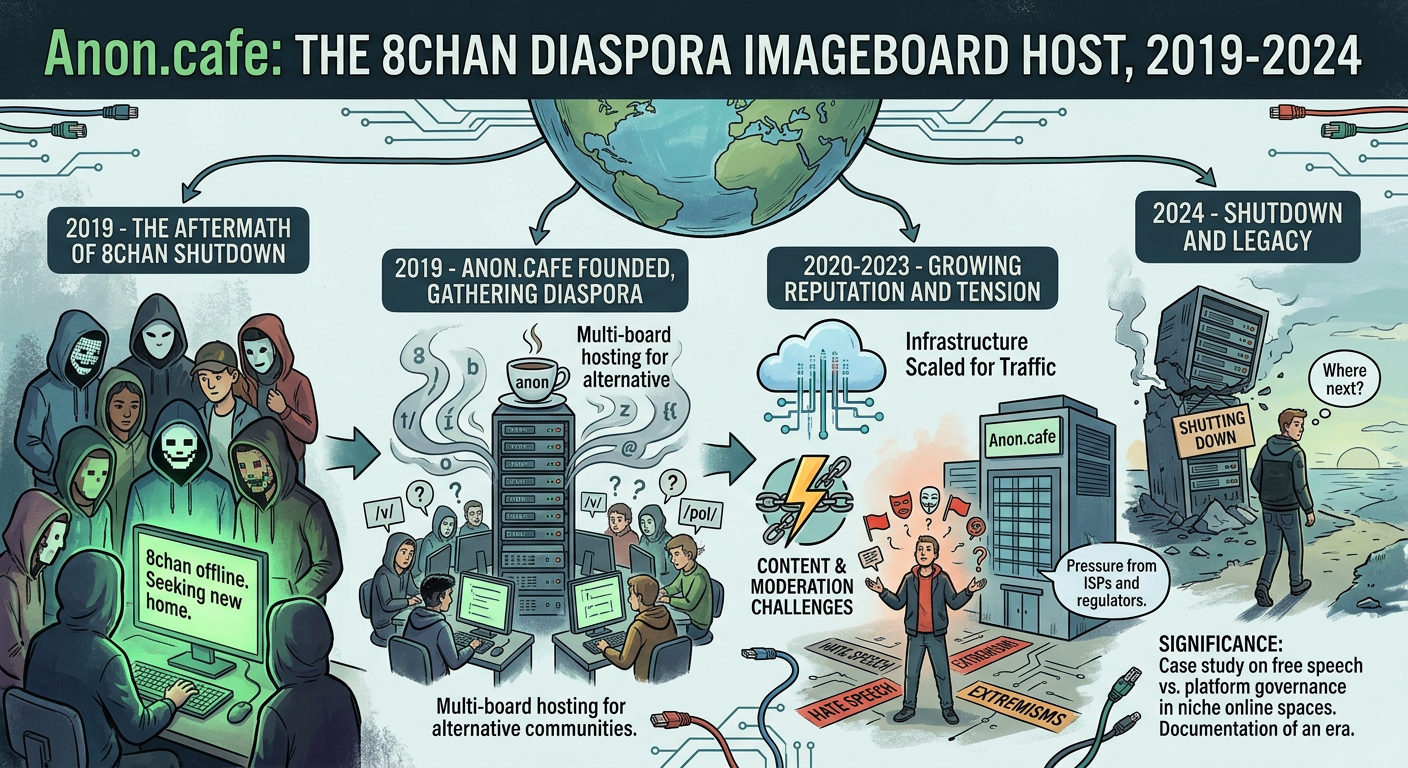
Anon.cafe: The 8chan Diaspora Imageboard Host, 2019-2024
Anon.cafe was a multi-board imageboard host founded in 2019 that sheltered 8chan diaspora communities until its 2024 shutdown. History and significance.
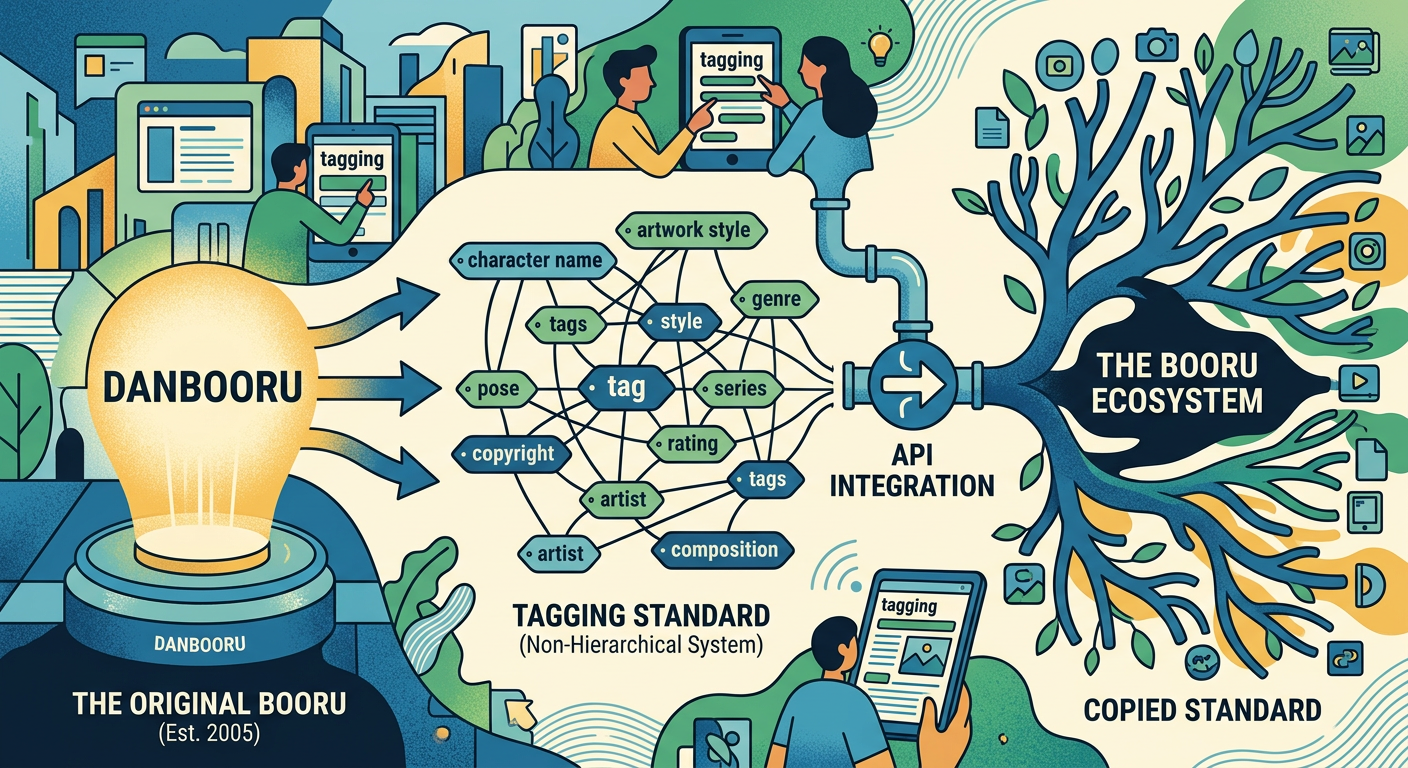
Danbooru: The Original Booru and Its Tagging Standard
Danbooru is the original booru, founded in 2005. Its non-hierarchical tagging system and API became the standard copied across the entire booru ecosystem.
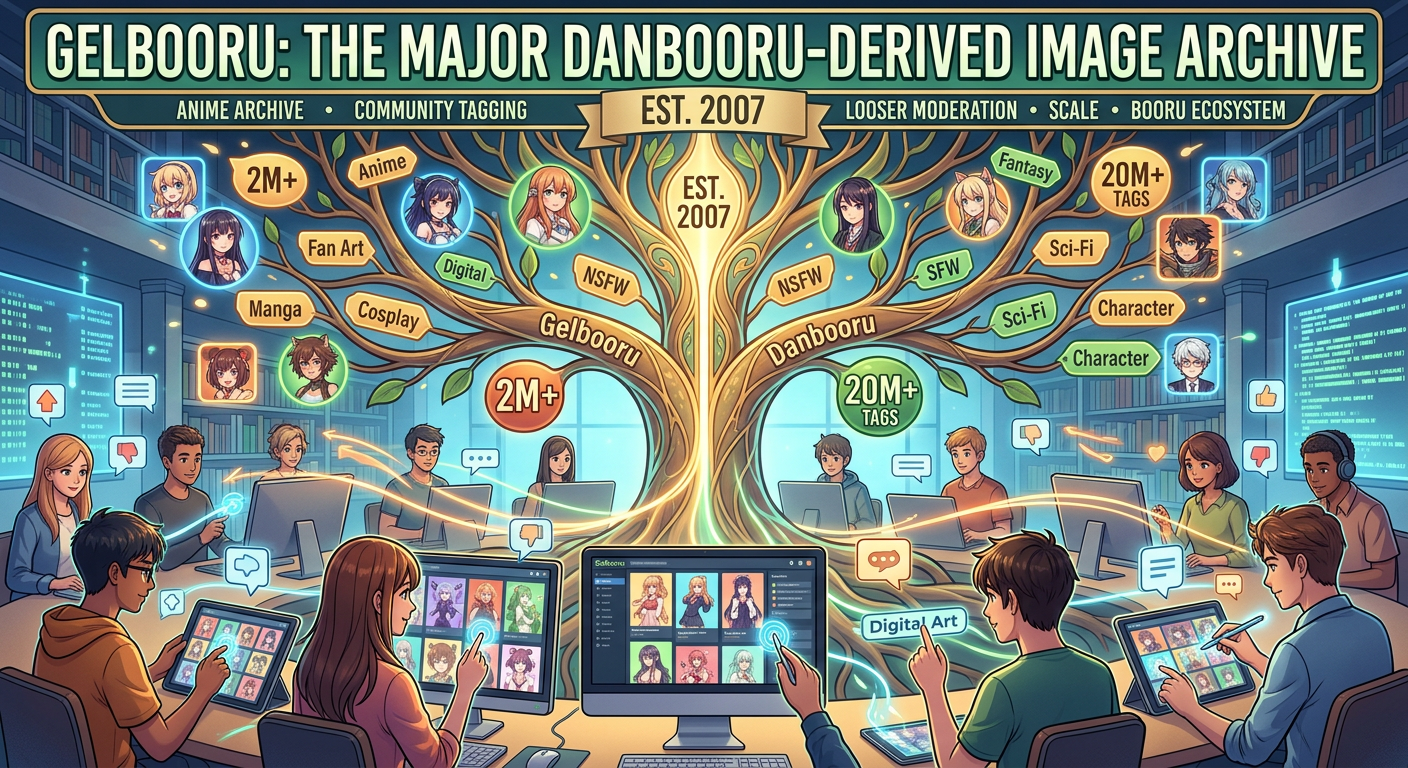
Gelbooru: The Major Danbooru-Derived Image Archive
Gelbooru is a major anime image booru founded in 2007, derived from Danbooru. Its scale, looser moderation, tagging and role in the booru ecosystem.
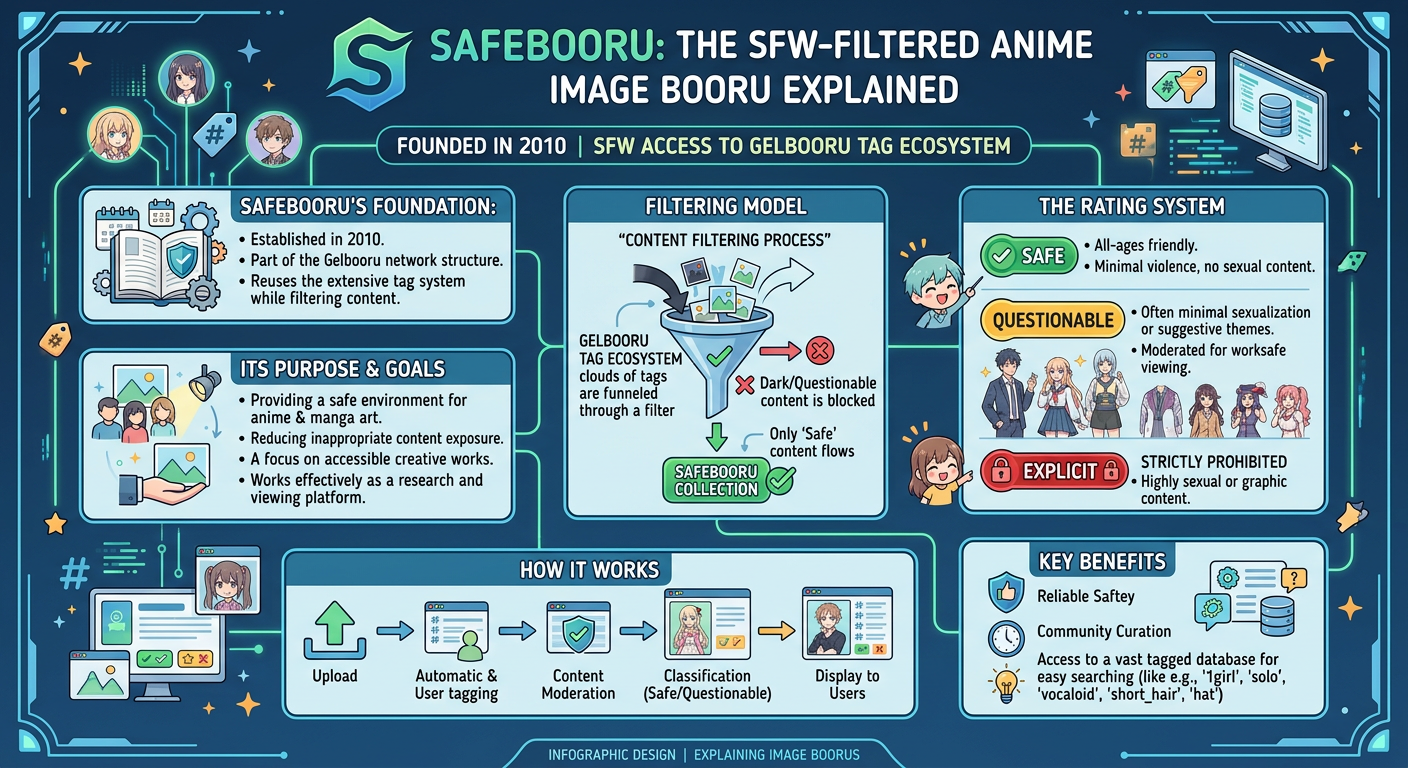
Safebooru: The SFW-Filtered Anime Image Booru Explained
Safebooru is a worksafe anime image booru founded in 2010, providing filtered access to the Gelbooru tag ecosystem. Its model, ratings and purpose.
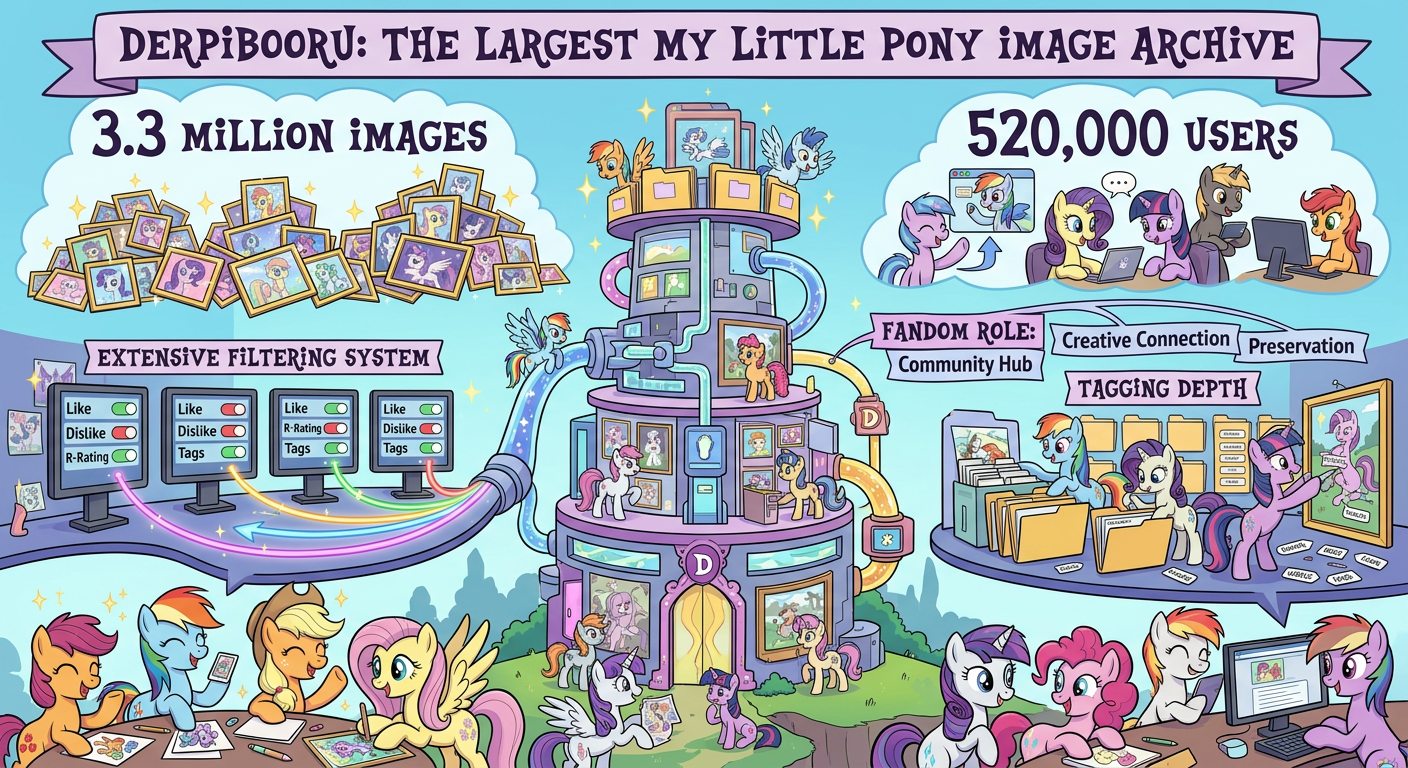
Derpibooru: The Largest My Little Pony Image Archive
Derpibooru is the largest My Little Pony imageboard, with 3.3 million images and 520,000 users. Its filtering system, tagging depth and fandom role.
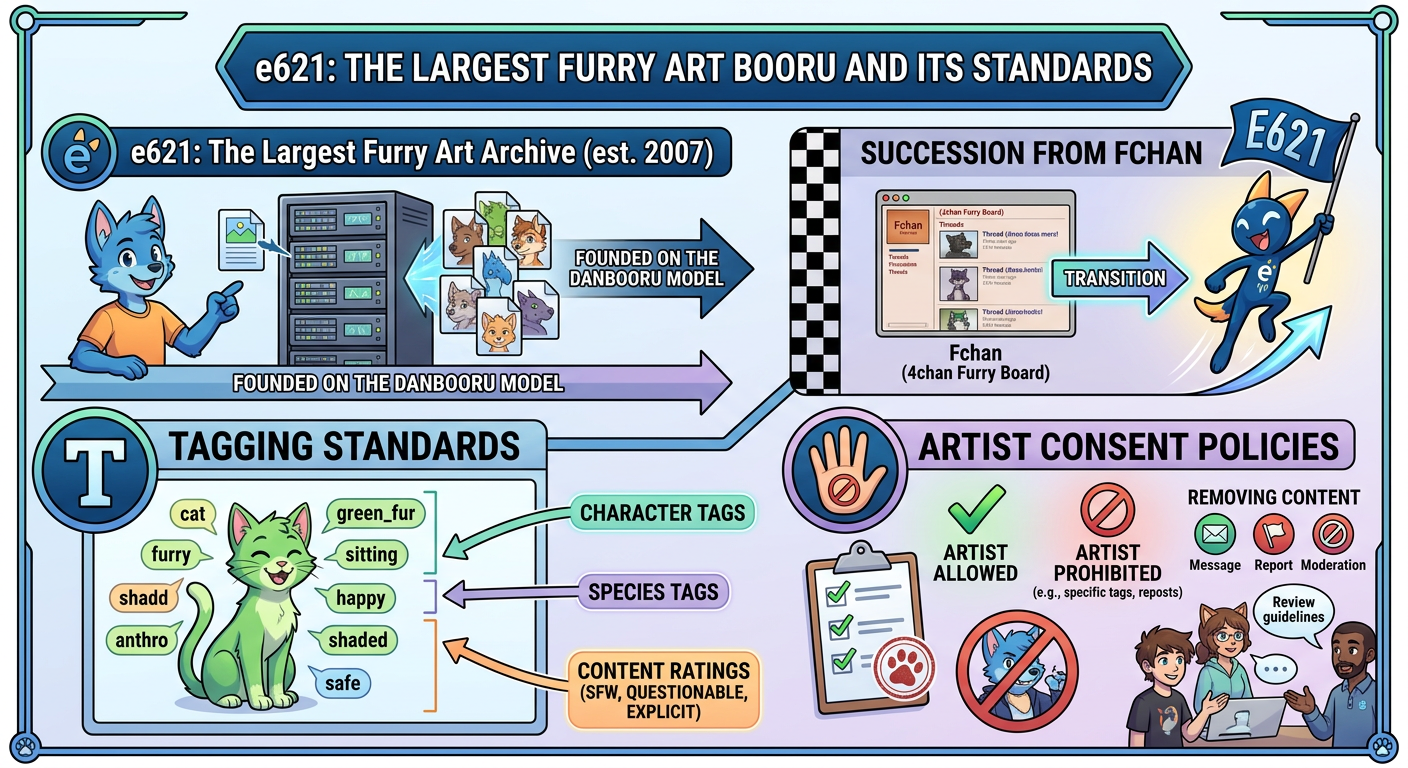
e621: The Largest Furry Art Booru and Its Standards
e621 is the largest furry art archive, founded in 2007 on the Danbooru model. Its tagging, artist consent policies and succession from Fchan explained.
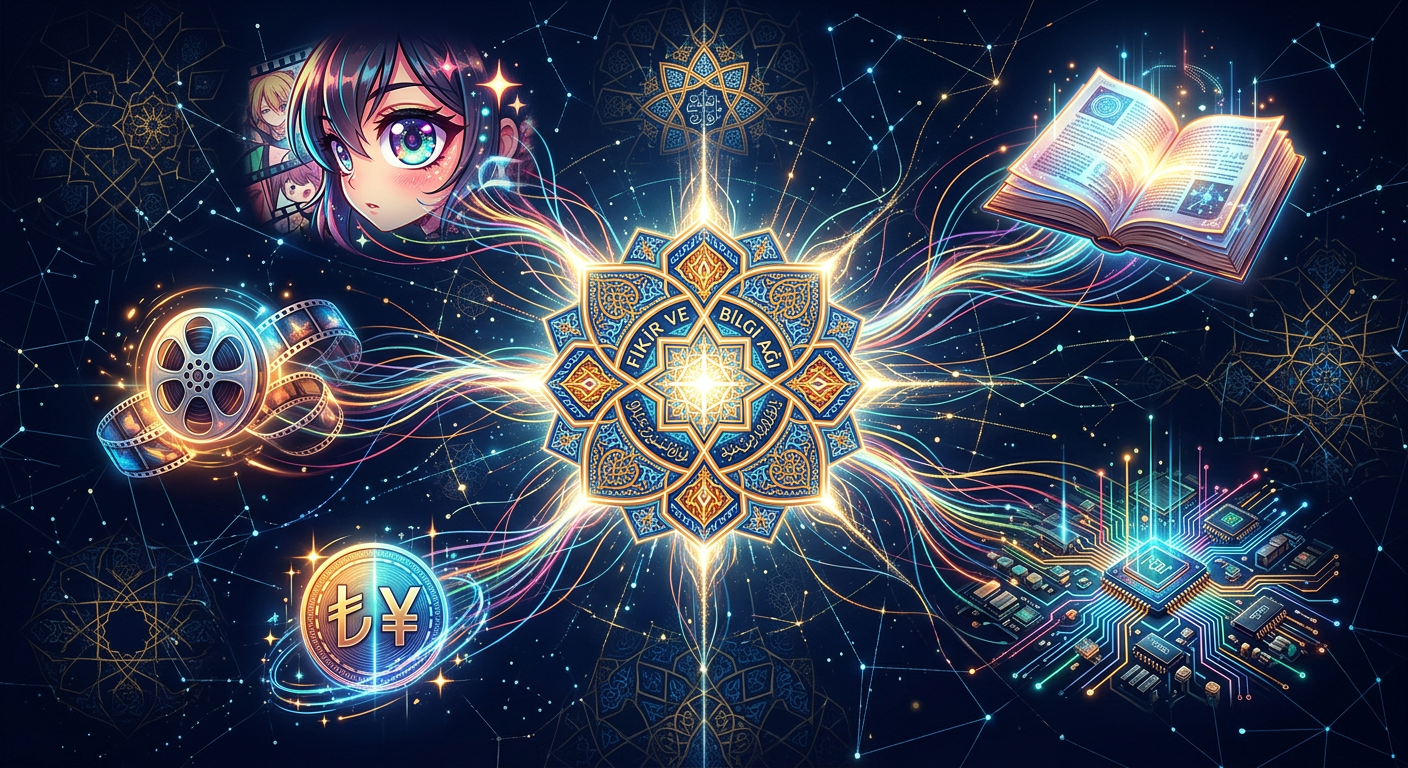
81chan: The Last Standing Turkish Imageboard After Kereste.moe
Explore 81chan, one of Turkey's last active imageboards, offering diverse discussions on anime, tech, literature, cinema, and finance. Learn about its community and boards.
2channel / 5channel
The Japanese textboard founded in 1999 that became the template for nearly every imageboard that followed.

Futaba Channel (2chan)
The original imageboard, launched in 2001 as a refuge for 2channel users and the technical ancestor of 4chan.
Lainchan
Niche imageboard themed around the anime Serial Experiments Lain, focused on programming, cyberpunk, and counterculture.

Wizardchan
Niche imageboard whose membership is restricted to adult male virgins, focused on isolation, depression, and hobby discussion.
Kohlchan
German-language imageboard founded in 2019 as a successor to the shuttered Krautchan.
8chan / 8kun
Imageboard founded in 2013 that allowed any user to create their own board. Subject of major controversies and a 2019 deplatforming.
420chan
Imageboard founded in 2005 focused on cannabis and drug culture, harm-reduction discussion, and counterculture.

iichan / 0chan
Early English- and Russian-language Futaba clones from the mid-2000s, foundational to the wider imageboard ecosystem.

7chan
Mid-2000s English imageboard founded as a refuge from 4chan moderation, known for stricter on-topic boards.